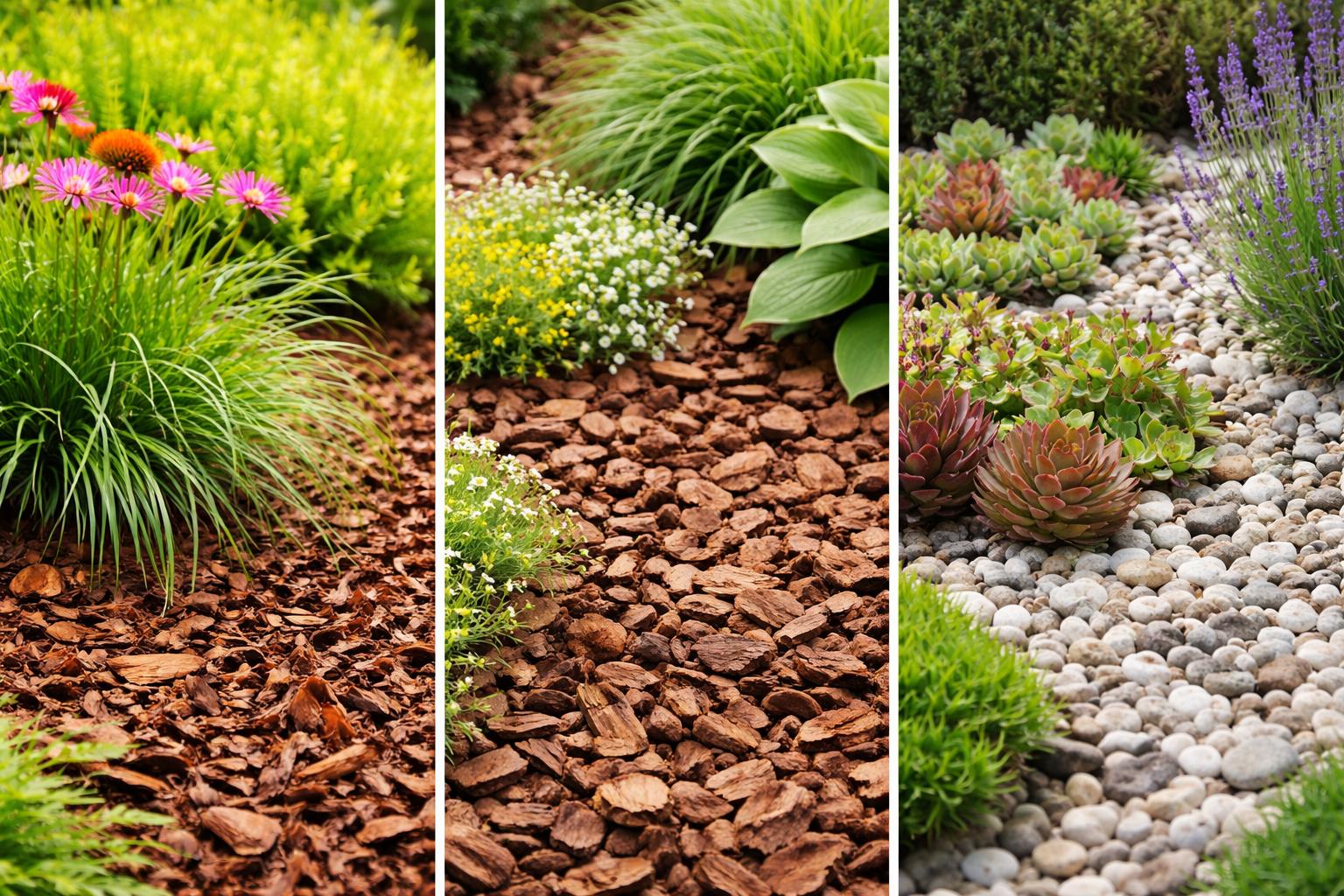
Mulch rock or gravel for landscape beds in North Port—which material makes the most sense for your property? The answer depends on how you want the space to look, how you plan to use it, and how much maintenance you’re comfortable handling.
For North Port homeowners, choosing between mulch, decorative rock, and gravel involves more than appearance. Existing plants, irrigation, drainage, bed edges, and future landscaping plans should all influence the decision. Before selecting a material, it’s important to evaluate the current layout and identify any problems that need attention.
Michel’s Landscaping offers mulch, decorative rock, gravel, and plant installation services in North Port, FL. Whether you’re refreshing an existing planting bed or planning a larger landscape renovation, this guide will help you compare your options and make a more informed decision before installation.
Start with the purpose of the bed
Give each area a clear job. A planted bed beside the house may call for a different approach than a decorative strip near a walkway or a larger landscape renovation.
Write down your priorities:
- Appearance: Do you prefer a softer-looking planted garden or a more defined stone accent?
- Planting plans: Will you keep the existing plants, add new ones, or regularly change the layout?
- Upkeep: Which tasks do you want included in ongoing maintenance?
- Site concerns: Are there irrigation issues, unwanted growth, or areas where water collects?
- Scope: Is the project a surface refresh, or does the bed need reshaping and replanting?
These answers make the material discussion more useful than choosing from a sample alone.
When mulch belongs on your shortlist
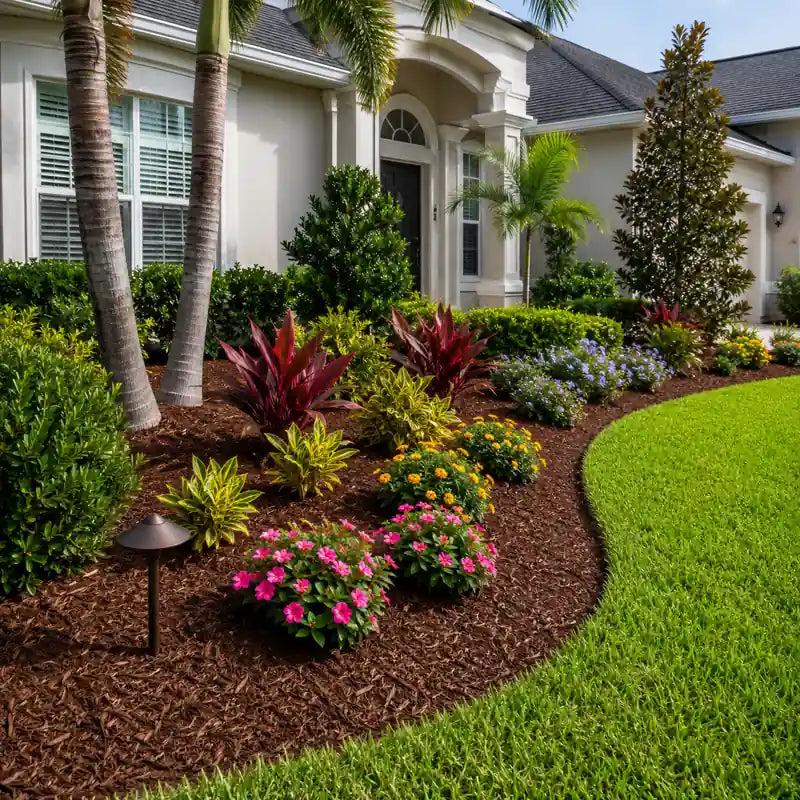
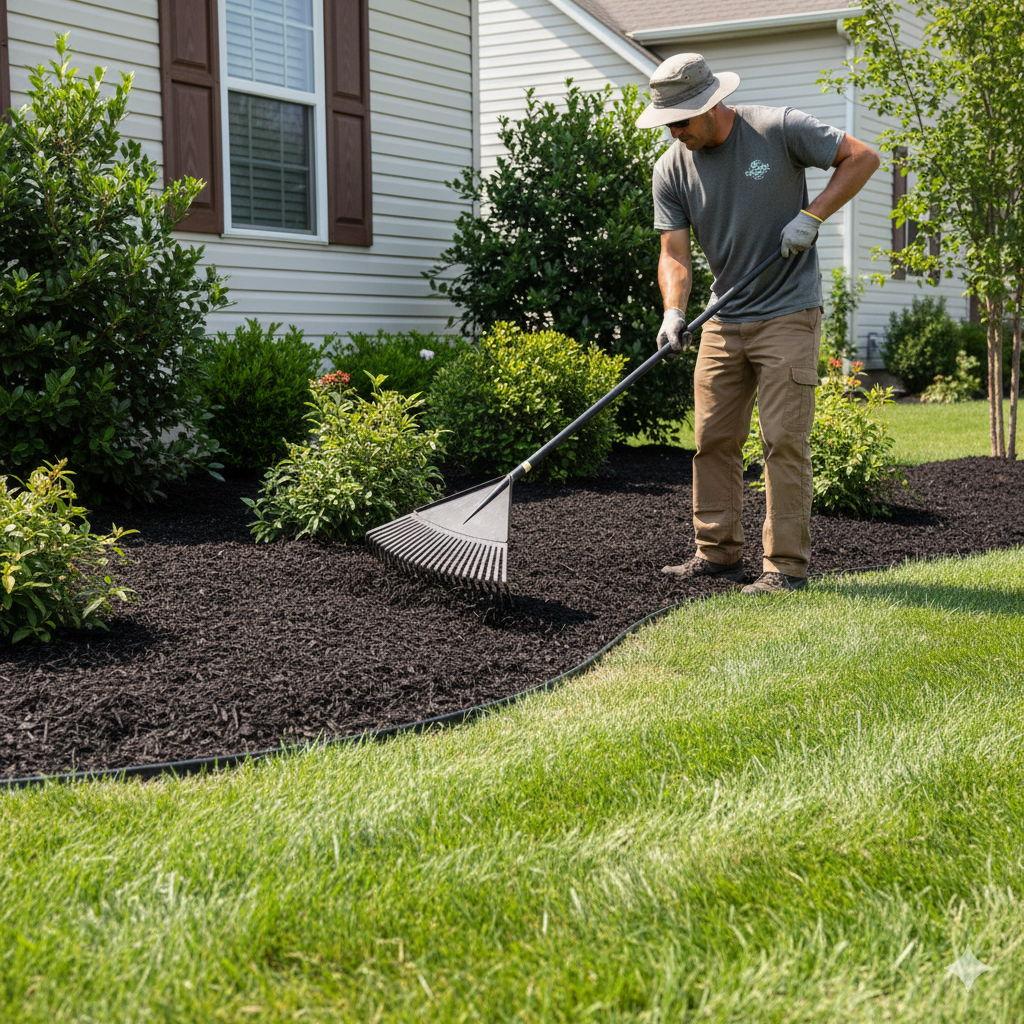
Consider mulch when you want the bed covering to complement a planted landscape rather than become its main visual feature. It is also an option to discuss when refreshing existing beds as part of routine landscape care.
Do not stop at choosing a color. Ask what material is proposed, how the existing bed will be prepared, and what future upkeep should involve. If the bed already contains mulch, have the existing condition evaluated before assuming another layer is the right next step.
According to UF/IFAS Gardening Solutions, organic mulch can help retain soil moisture, moderate soil temperatures, and reduce weed growth. Unlike organic mulch, decorative stone does not improve soil as it decomposes, making the choice especially important around planted beds.
Questions worth asking include:
- Does existing material need to be removed or adjusted?
- Are the plants staying in their current positions?
- How will irrigation components remain accessible?
- What maintenance should be planned after installation?
Mulch installation can be a focused improvement. However, if you dislike the bed shape or plant arrangement, address those decisions first rather than paying to cover a layout you intend to change.
When decorative rock is worth considering
Put decorative rock on your shortlist when a visible stone finish is part of the design you want. For example, you may prefer a defined accent area rather than using the same covering throughout every planted bed.
“Rock” is a broad description. Please review the proposed material’s size, shape, and color to ensure the installation scope aligns with your expectations. A reference photo can help communicate the style, but it should not replace confirmation of the material being supplied.
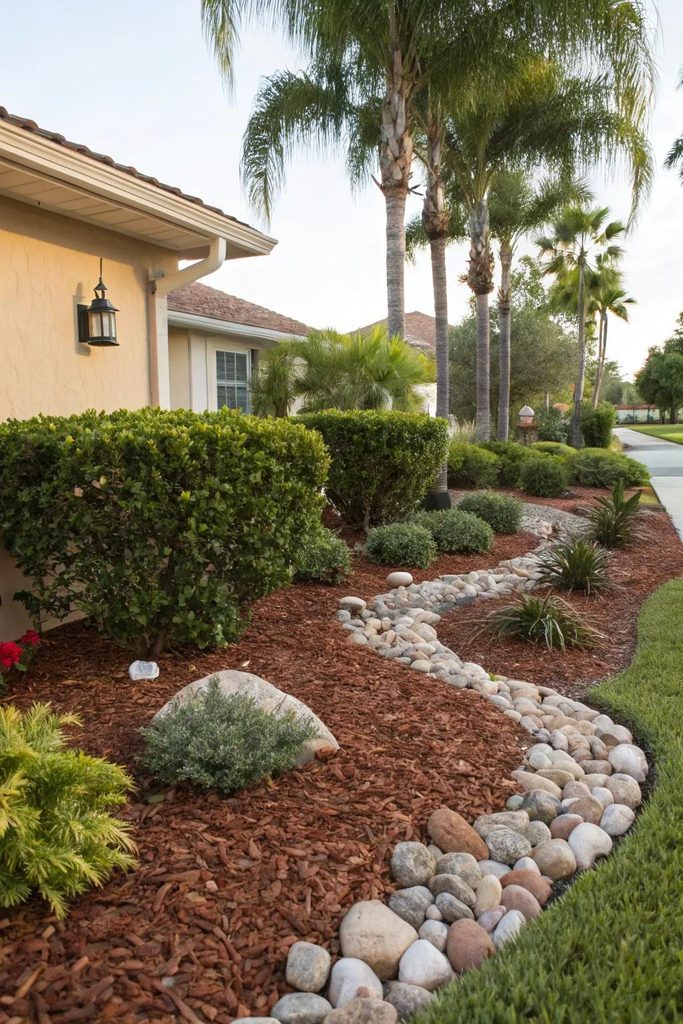
Think beyond the finished appearance. Discuss how plants will be maintained, how existing irrigation will be accessed, and what would be involved if you later redesign the area. Do not select rock on the assumption that it eliminates weed control or other landscape care.
Michel’s Landscaping offers both installation and landscape maintenance, so the installation conversation can include how the finished beds will be cared for.
When gravel may fit the design
If you are picturing a smaller-stone finish, ask about gravel options. Clarify the terminology: suppliers and property owners may use “rock” and “gravel” differently, so the actual material matters more than the label.
Also distinguish a decorative bed from a surface intended for walking. If the area will connect a driveway, patio, or entrance, explain the intended use before discussing material selection. A decorative finish and a usable walkway are different project goals.
For gravel, ask:
- What exact material is included?
- How will the bed edge be defined?
- What preparation is included beneath the finish?
- How will the area meet adjoining lawn, paving, or planting beds?
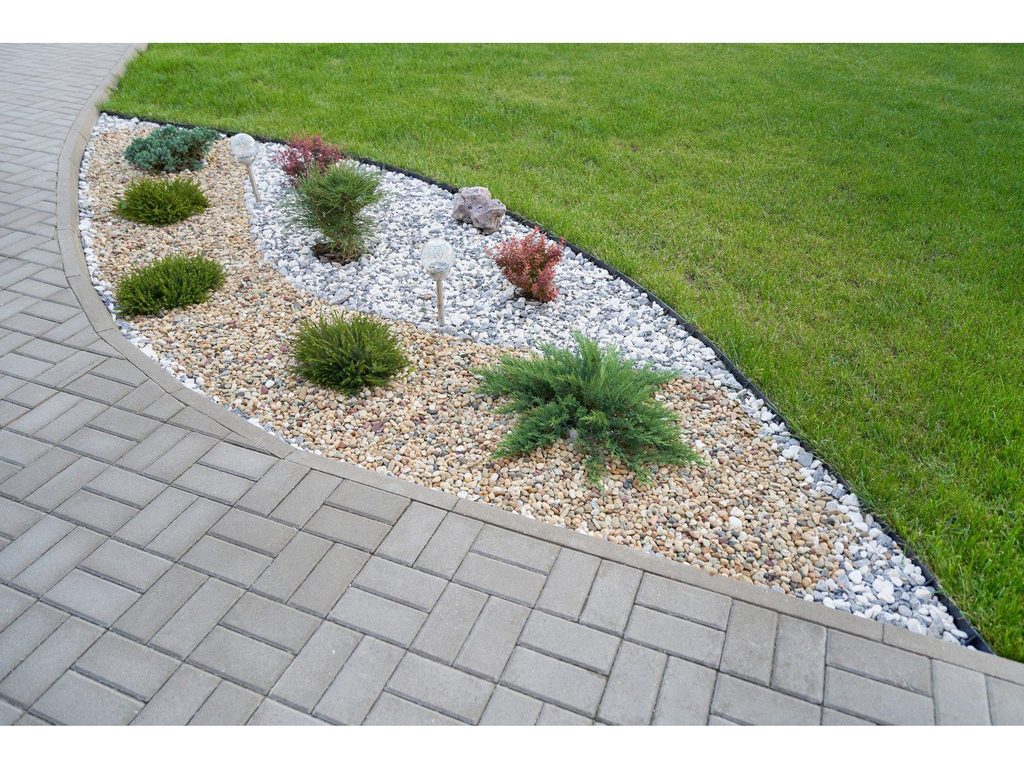
Avoid treating gravel as an automatic solution for standing water. If drainage is the concern, make that a separate evaluation point rather than assuming the surface material will resolve it.
Check water, irrigation, and edges before installation
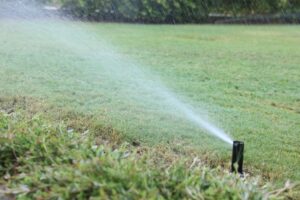
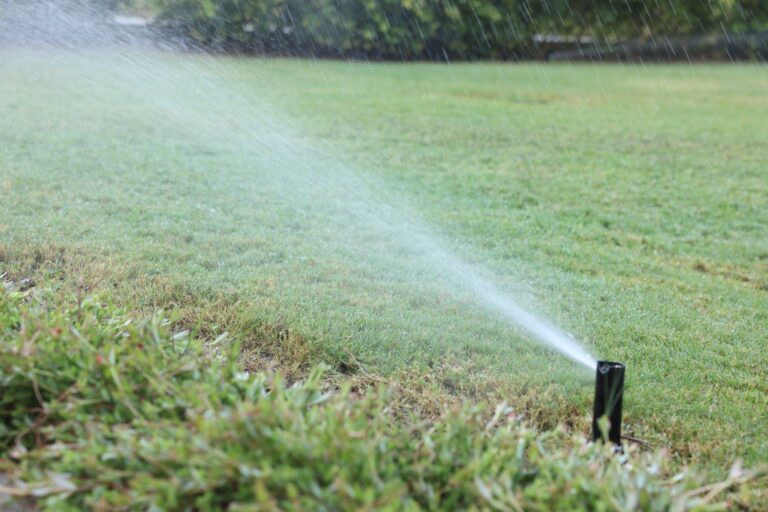
For a North Port project, include rain and irrigation observations in your site discussion. Point out where water collects, where irrigation reaches the bed, and any areas that seem unusually dry. Photos taken during or after rain can help explain what you have noticed without guessing at the cause.
The EPA WaterSense landscaping recommendations emphasize healthy soil, appropriate mulch selection, and efficient water use. These considerations are especially useful when planning landscape bed improvements around existing plants and irrigation systems.
Michel’s Landscaping offers irrigation setup, repair, and optimization. If irrigation needs attention, discuss it before the new covering goes in so you can include both tasks in the project plan.
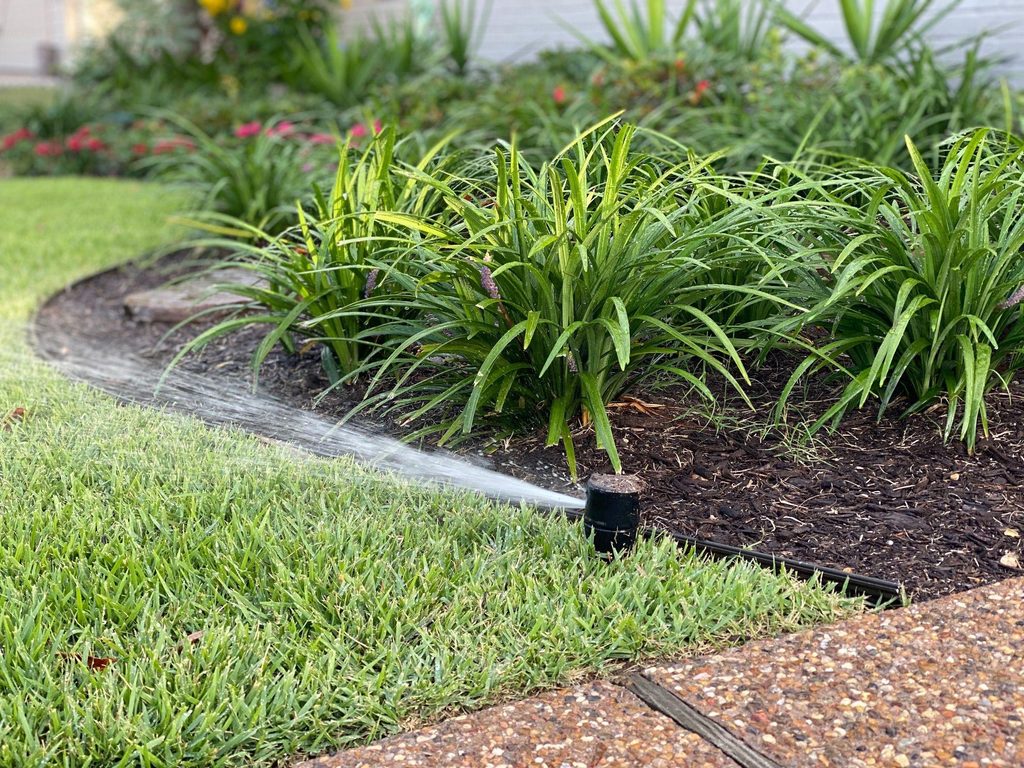
Edges deserve the same attention. Decide where the bed should end and how it should meet the lawn or hardscape. Concrete curbing is among the company’s services, but it should be considered as a design choice—not assumed to be necessary for every bed.
If the project involves new bed shapes, plant changes, and multiple materials, landscape renovation may be a better starting point than a simple material refresh.
Compare installation scopes, not just material names
A useful quote should make clear what work is being considered. Before comparing options, ask whether each scope includes existing-material removal, bed preparation, plant changes, edging, irrigation work, and debris removal where needed.
Also request a clear description of the proposed material and the areas it will cover. Without those details, two proposals labeled “rock installation” may describe different projects.
There is no need to use one material everywhere. Ask whether a combination would better suit the property, while keeping the overall design intentional and the maintenance plan understandable.
Frequently asked questions
Which option is best for every landscape bed?
There is no single choice to make without considering the site. Start with the bed’s purpose, existing plants, desired appearance, irrigation, and maintenance expectations.
Will rock or gravel make my beds maintenance-free?
Do not plan on a maintenance-free result. Ask what weed control, cleanup, and plant care should remain part of the ongoing maintenance scope.
Should I replace the plants before installing a new bed covering?
If plant changes are already planned, please discuss them before installation. This approach allows us to consider the layout, planting work, and surface finish together.
Can Michel’s Landscaping install these materials in North Port?
Yes. Michel’s Landscaping serves North Port and offers rock, gravel, mulch, and plant installation, along with landscape design, renovation, and maintenance for residential and commercial properties.
Plan the bed before choosing the finish
Bring photos, your preferred look, and a list of concerns about the existing beds. Michel’s Landscaping can consider the installation alongside any related planting, irrigation, or renovation work. Get a Quote for a landscape bed project built around your property needs and preferences.