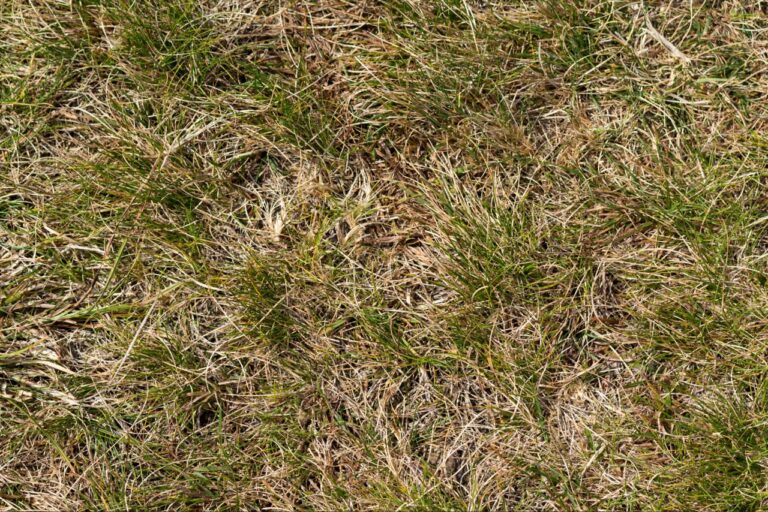
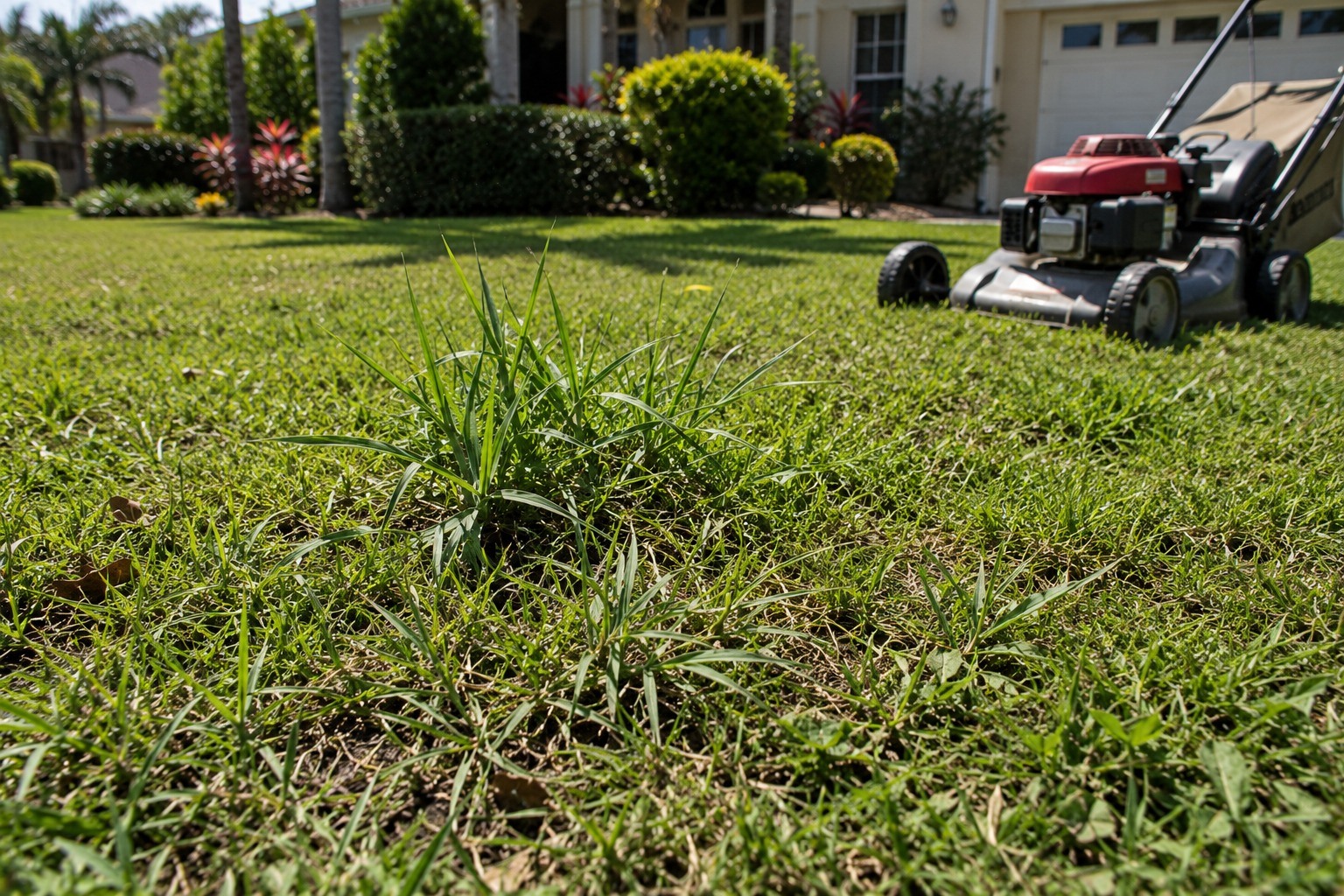
Weed control is one of the greatest challenges Florida homeowners face when trying to maintain a thick, attractive lawn. Warm temperatures, frequent rain, irrigation, sandy soils, and a long growing season can create ideal conditions for unwanted plants to establish and spread.
But seeing weeds doesn’t necessarily mean the weeds themselves are the original problem.
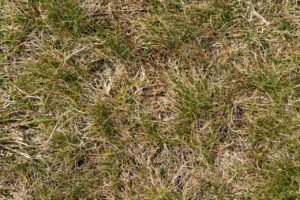
Thin turf, excessive watering, compacted soil, improper mowing, pest damage, and bare areas can all create opportunities for weeds. UF/IFAS explains that weeds frequently move into weakened turf because open spaces allow sunlight to reach the soil and give unwanted plants room to establish.
That is why effective weed control should involve more than spraying whatever appears in the grass.
At Michel’s Landscaping, we help homeowners throughout North Port maintain healthier lawns by addressing the conditions that contribute to lawn problems instead of looking only at what is visible on the surface.
Why Weed Control Starts With Understanding Your Lawn
Before choosing any treatment, determine what is actually growing in the yard.
Florida lawns can contain broadleaf weeds, grassy weeds, and sedges. A treatment appropriate for one group may be ineffective—or potentially damaging—when used incorrectly on another.
UF/IFAS specifically identifies proper weed identification as the first step in the decision-making process because knowing the species provides information about its growth habits, environmental preferences, and appropriate management options.
Effective weed control therefore begins with three questions:
- What weed is growing?
- Why is it thriving there?
- What is preventing the desirable turf from competing with it?
Answering all three provides a much stronger foundation than simply treating weeds as they appear.
Why Healthy Turf Matters for Weed Control
Dense grass occupies space that weeds would otherwise use.
UF/IFAS describes healthy, dense turf as one of the most important ways to prevent weed establishment. Thick turf shades the soil and reduces the physical space available for weeds to become established.
This makes regular lawn care an important part of long-term weed control.
9 Common Florida Lawn Weeds to Watch For
Knowing what you’re dealing with can help you react before a small problem becomes widespread.
1. Dollarweed
Dollarweed is recognizable by its round, coin-like leaves. It commonly appears in areas that remain excessively wet.
Repeated dollarweed growth may therefore be telling you something about irrigation or drainage rather than simply indicating that another herbicide treatment is needed.
2. Florida Pusley
Florida pusley is a low-growing broadleaf weed commonly found in Florida turf.
It can spread into thin or stressed areas and may produce small flowers. Once established, it competes with desirable turf for available growing space.
3. Crabgrass
Crabgrass is an annual grassy weed that can be harder for homeowners to identify because it resembles turfgrass.
Preventive weed control can be especially important with annual grassy weeds because allowing mature plants to produce seeds can contribute to future infestations.
4. Nutsedge
Nutsedge may look somewhat like grass, but it belongs to a different plant group.
Sedges frequently become problematic in wet conditions. If nutsedge continually appears around the same sprinkler zone or low area, correcting the moisture problem should be considered alongside treatment.
5. Spotted Spurge
Spotted spurge grows low to the ground and can move into bare or weak areas.
Rather than repeatedly removing individual plants while ignoring deteriorating turf, look for the reason the lawn has enough exposed space for spurge to establish.
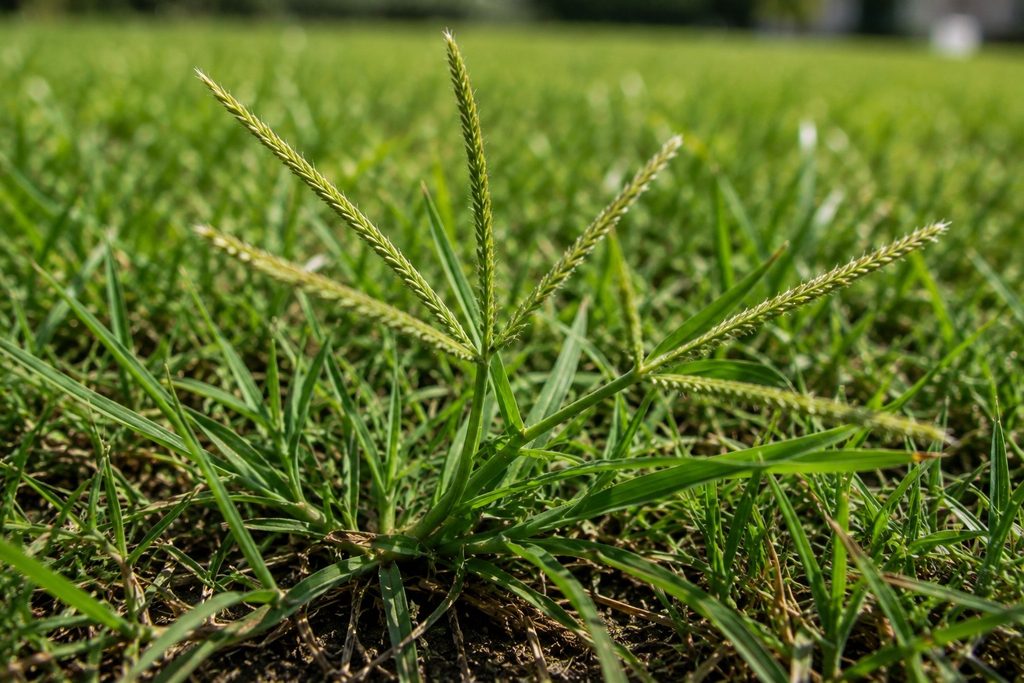
6. Goosegrass
Goosegrass is a grassy weed that can become particularly troublesome in compacted areas.
UF/IFAS notes that goosegrass is among the weeds that can perform well in compacted or continuously wet soil.
This is another example of why weed control and overall lawn health are closely connected.
7. Torpedograss
Torpedograss is an aggressive perennial grassy weed capable of spreading through underground structures.
Established perennial weeds can be especially frustrating because simply removing visible top growth may leave surviving plant material underground.
8. Tropical Signalgrass
Tropical signalgrass is another grassy invader that may blend into the surrounding turf.
Accurate identification becomes especially important when desirable turf and unwanted grass look similar. Applying a product without confirming turf tolerance can damage the lawn you’re trying to protect.
9. Florida Beggarweed
Florida beggarweed is a broadleaf plant that can appear in Florida landscapes and turf areas.
As with many other weeds, maintaining stronger turf and addressing open areas can make the property less vulnerable to continued establishment.
Why Removing Weeds Isn’t Always Enough
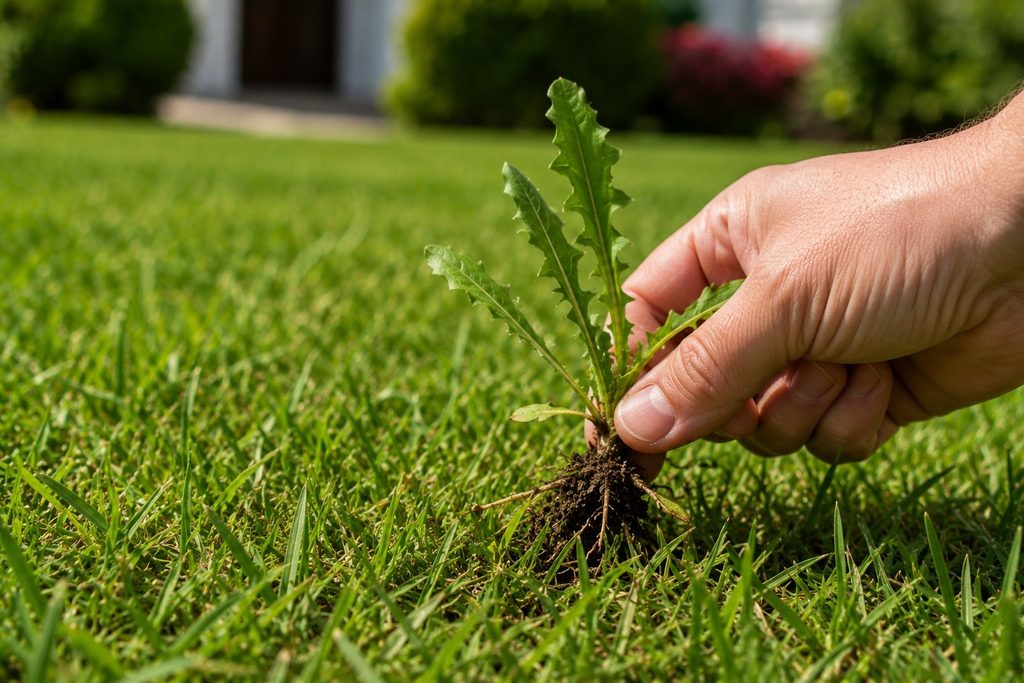
Pulling weeds can be an excellent option when only a small number are present.
In fact, UF/IFAS describes manual removal as an environmentally friendly approach and recommends removing roots and other underground structures when feasible.
But successful weed control requires understanding why the plants appeared.
If the grass remains thin after the weeds are removed, new plants can occupy the same opening.
If irrigation keeps an area saturated, moisture-loving weeds can return.
If the soil is compacted, desirable turf may continue struggling.
Treat the opportunity for weed growth—not only the visible plant.
Pre-Emergent vs. Post-Emergent Weed Control
Not all herbicide treatments work at the same stage of weed growth.
Pre-Emergent Weed Control
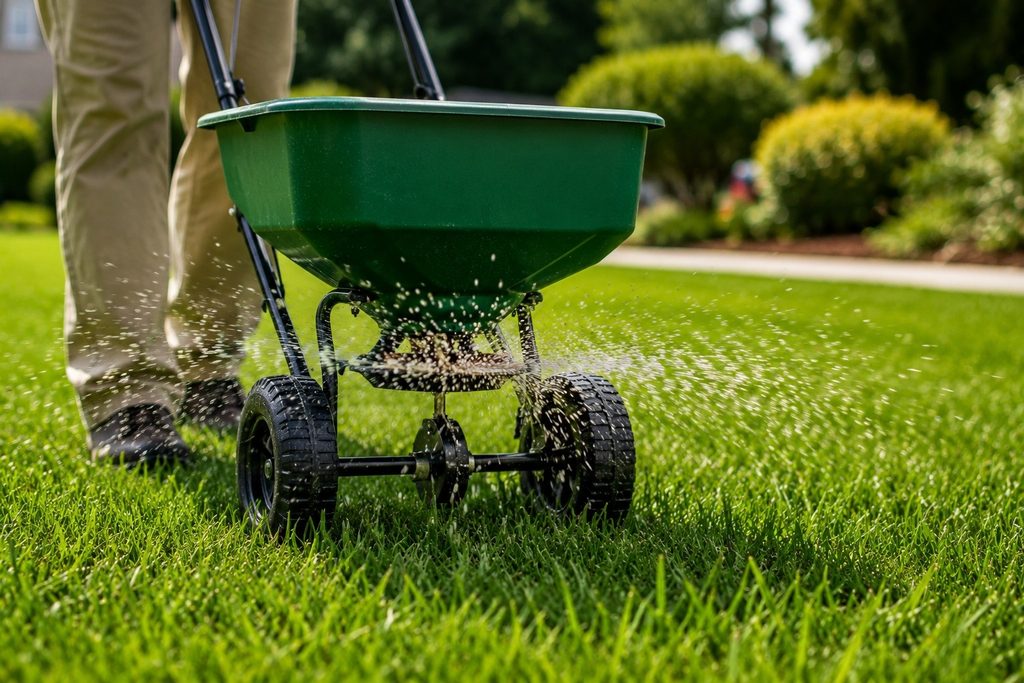
Pre-emergent herbicides are intended to prevent susceptible weeds from successfully establishing after germination.
Timing matters.
UF/IFAS explains that pre-emergent treatments must be applied before the targeted weeds emerge. Once weeds are already growing, a pre-emergent treatment isn’t a substitute for an appropriate post-emergent strategy.
This makes preventive weed control particularly useful when a property has a history of predictable annual weeds.
Post-Emergent Weed Control
Post-emergent treatments target weeds that have already emerged.
Smaller, actively growing weeds are often easier to manage than mature weeds. UF/IFAS also warns that effectiveness can decline when weeds are stressed, mature, or already producing seeds.
Product selection matters because Florida turfgrasses do not necessarily tolerate the same herbicides.
Never assume that using more product produces better results. EPA guidance specifically advises users to follow label directions, precautions, restrictions, and application amounts rather than exceeding the labeled rate.
How Mowing Can Improve Weed Control
Mowing affects much more than appearance.
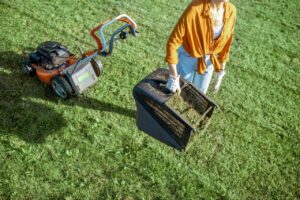
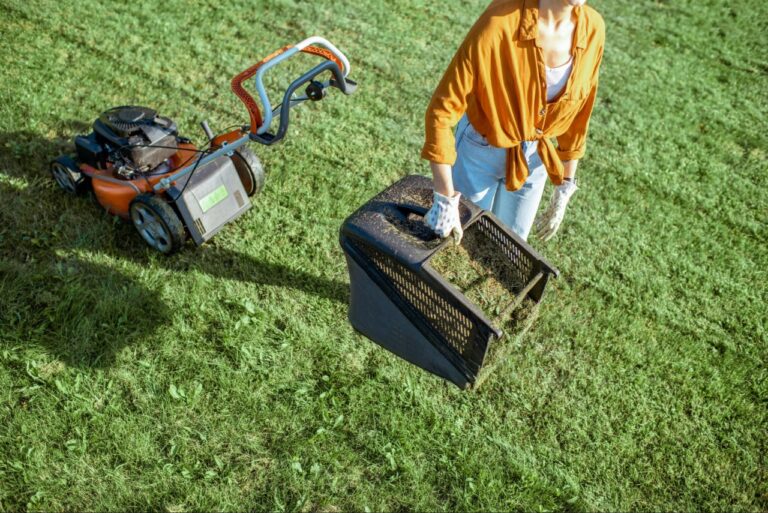
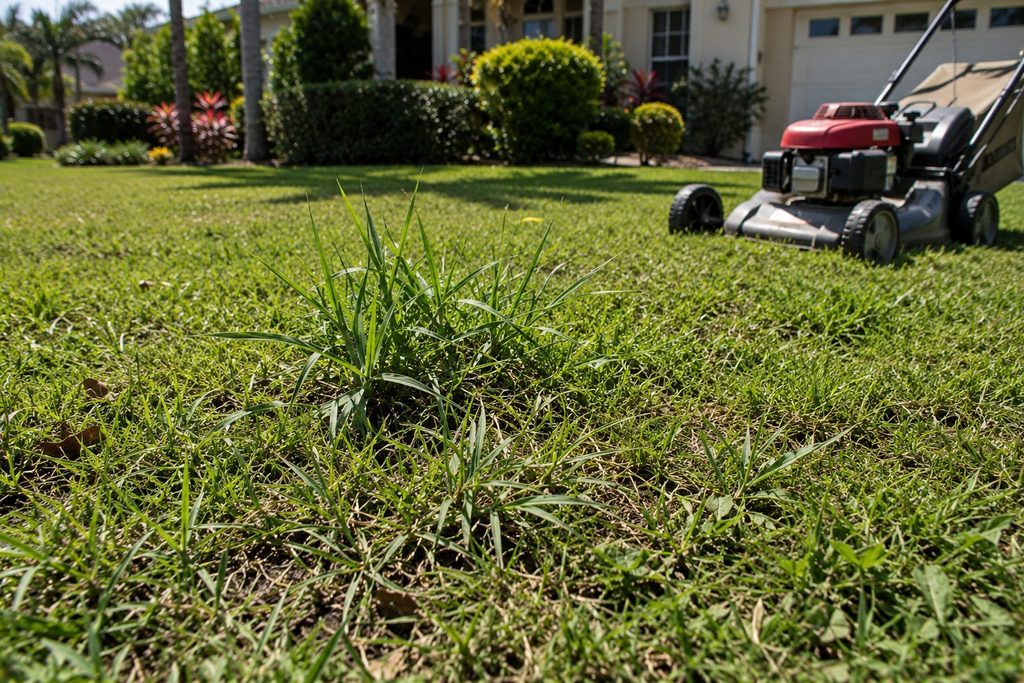
Proper mowing helps maintain a turf canopy capable of competing with unwanted plants. UF/IFAS recommends removing approximately one-third or less of the leaf blade during mowing and notes that mowing before weeds form seedheads can reduce additional seed production.
For better weed control, avoid repeatedly scalping the lawn.
Cutting turf excessively short can weaken grass and create openings where weeds establish.
Keep mower blades sharp as well. Clean cuts reduce unnecessary turf injury and help the lawn recover more effectively.
How Irrigation Affects Weed Control
Water management deserves close attention when weeds repeatedly return.
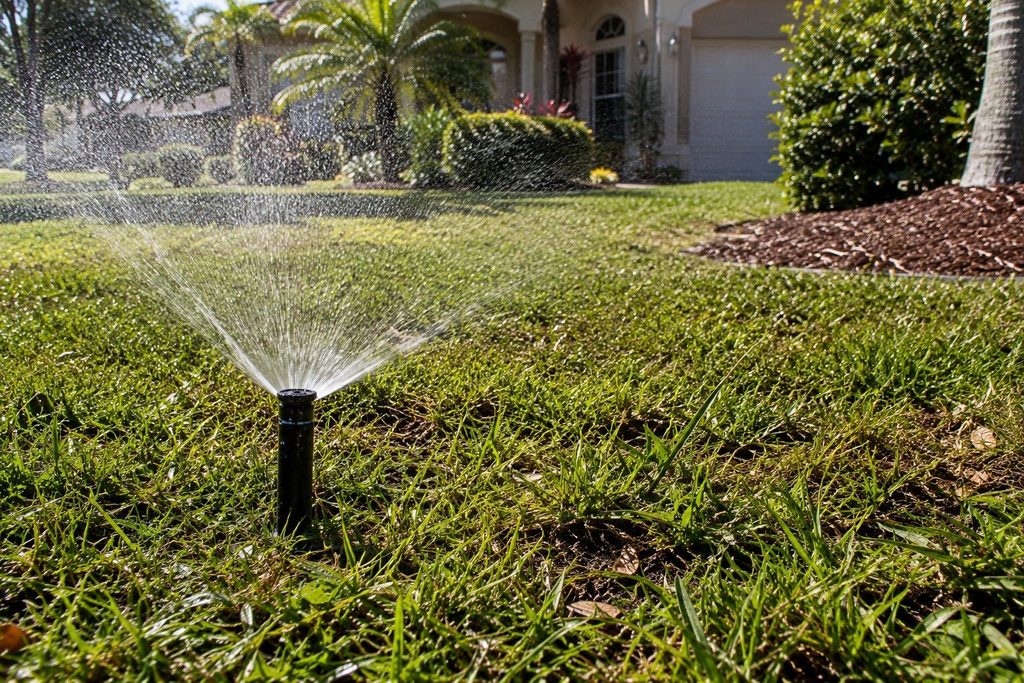
Overwatering doesn’t automatically produce healthier grass. Continuously wet conditions can favor weeds such as dollarweed and certain sedges while weakening turf or contributing to other lawn problems.
Inspect the irrigation system for:
- Leaking heads
- Excessive watering times
- Overspray
- Poor coverage
- Low areas that remain saturated
- Sections receiving water they don’t need
Correcting these conditions can improve weed control while supporting healthier turf.
Healthy Turf Is Your Best Weed Control Defense
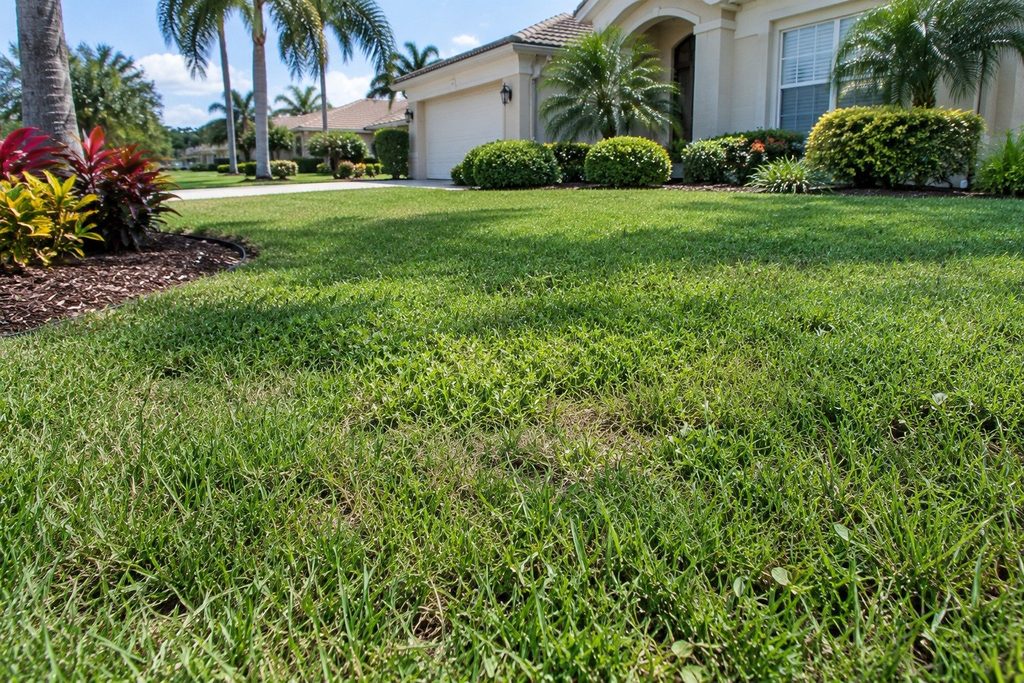
One of the most useful lessons for Florida homeowners is that weeds often fill spaces left by struggling grass.
As UF/IFAS puts it, weeds don’t create the void—they fill it. Proper fertilization, watering, mowing, pest management, and soil conditions help produce denser turf that leaves fewer opportunities for weeds.
That means your long-term weed control plan should also consider:
- Soil compaction
- Lawn pests
- Fungal problems
- Drainage
- Irrigation
- Mowing practices
- Nutrient management
- Bare areas
For example, compacted soil can restrict healthy root development. Lawn aeration North Port FL homeowners use can improve soil conditions and encourage denser turf, which in turn can reduce the open space available for weeds.
When Professional Weed Control Makes Sense
DIY removal can be practical when there are only a few weeds and you’re confident about their identification.
Professional assistance becomes more useful when:
- Weeds repeatedly return
- Several weed species are present
- Large areas are affected
- The turf is becoming thin
- You cannot identify the weed
- You’re unsure which treatment is compatible with your grass
- Irrigation or soil problems may be contributing
At Michel’s Landscaping, professional weed control can be incorporated into broader lawn care rather than treating the weed as an isolated problem.
The company’s lawn care services include mowing, edging, trimming, fertilization, seasonal cleaning, and weed management, so we can address several factors affecting turf health together.
Build a Smarter Weed Control Strategy for Your North Port Lawn
There isn’t one universal treatment that solves every Florida weed problem.
Successful weed control starts with identification and continues with healthy turf management, appropriate mowing, responsible irrigation, prevention, monitoring, and targeted treatment when necessary.
Most importantly, pay attention to what your weeds may be telling you.
Dollarweed may point toward excessive moisture. Goosegrass can indicate compaction. Weeds filling bare patches may indicate that pests, disease, traffic, or another source of stress have weakened the turf.
Fixing those underlying conditions gives desirable grass a better opportunity to compete.
If recurring weeds are keeping your North Port lawn from looking its best, Michel’s Landscaping can help evaluate the property and develop a lawn-care approach designed around Southwest Florida growing conditions.
Effective weed control isn’t simply about killing what’s growing today. It’s about creating a healthier lawn that gives weeds fewer opportunities to become tomorrow’s problem.
Frequently Asked Questions
What is the best weed control method for a Florida lawn?
The best approach depends on the weed, turfgrass, season, and cause of the infestation. Proper identification should come first. Maintaining dense turf through appropriate mowing, irrigation, fertilization, and pest management can also help prevent weeds from establishing.
Why do weeds keep coming back to my lawn?
Recurring weeds often indicate that favorable growing conditions remain. Thin turf, excessive moisture, compacted soil, bare areas, pest damage, or weeds producing new seeds can all contribute to repeated infestations.
Does mowing help with weed control?
Yes. Proper mowing supports dense turf and can suppress some weeds. Mowing before weed seedheads mature can also reduce seed production. Avoid scalping the lawn because excessively short mowing can weaken desirable turf.
Is pre-emergent or post-emergent weed control better?
Neither is universally better. Pre-emergent treatments target susceptible weeds before establishment, while post-emergent treatments target weeds that are already growing. The best strategy depends on the target weed and timing.
When should I call a professional for weed control?
Consider professional help when weeds repeatedly return, cover large portions of the lawn, are difficult to identify, or occur alongside thinning turf, irrigation issues, compaction, pests, or other lawn-health problems.