Planting after stump grinding in North Port is possible, but preparing the area properly is important before installing new grass or planting a replacement tree. Although stump grinding removes the visible portion of an unwanted stump, wood chips, remaining roots, and uneven soil may still affect how the area can be used.
For North Port homeowners, the next step depends on what you want the space to become. Restoring the area with sod requires different preparation from planting another tree. Simply covering the stump grindings with soil or placing a new tree in the same location may create avoidable problems if the remaining material and site conditions haven’t been evaluated.
Michel’s Landscaping provides stump grinding and removal, sod installation, tree planting, and landscape renovation services in North Port, Florida. This guide explains what to consider before planting after stump grinding, how to prepare the area for grass or a new tree, and which questions to discuss with your landscaping contractor before work begins.
Planting After Stump Grinding in North Port: What to Prepare First
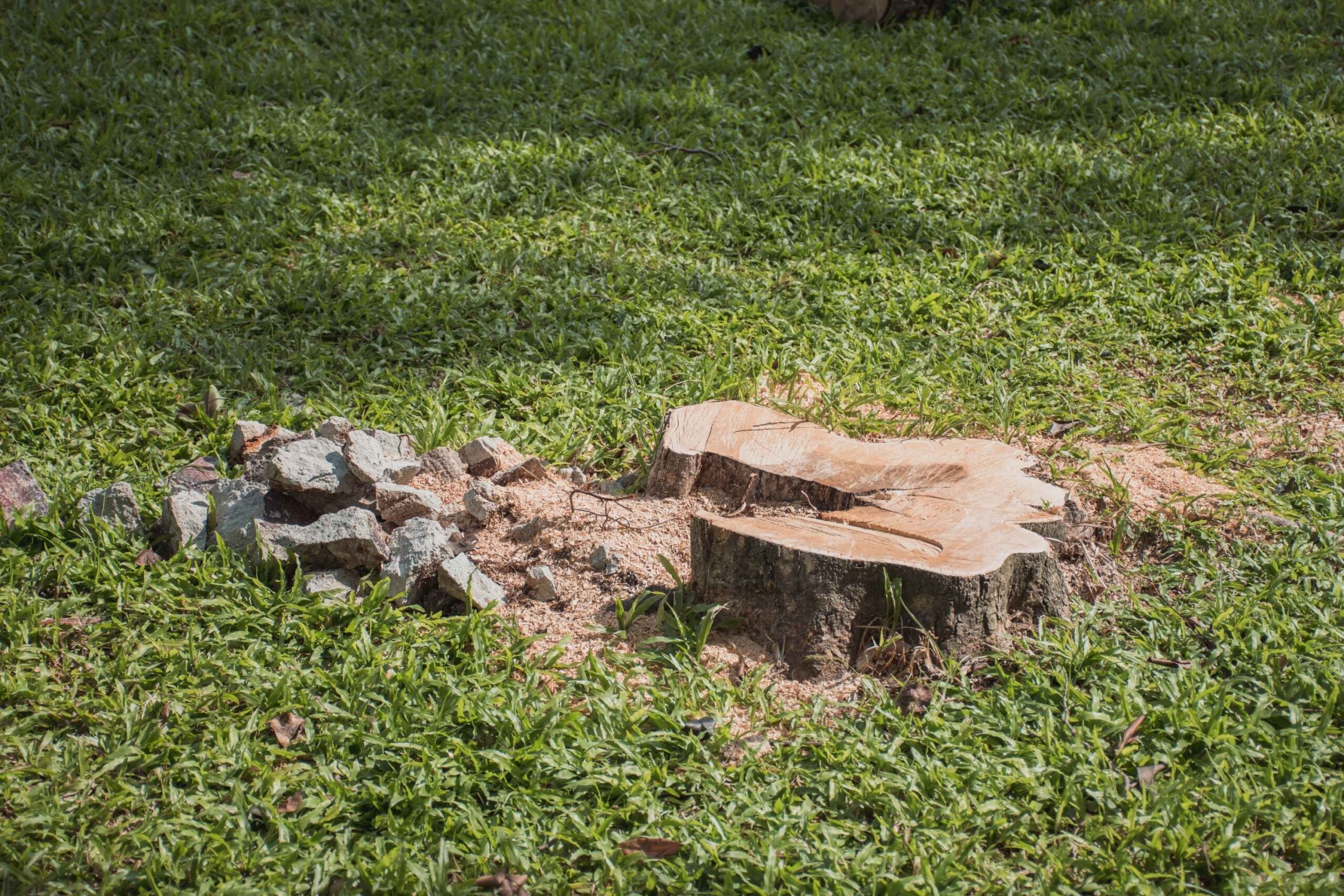
Grinding addresses the stump, but it does not necessarily remove the entire root system or leave behind a finished planting area. Depending on the work performed, wood fragments, roots, and an uneven surface may still need attention.
That distinction matters because plants need suitable soil, not just an opening where a stump used to be. Before scheduling work, ask:
- What stump material will remain below the surface?
- Will grindings be removed, or will some stay on the property?
- Does the scope include backfilling and leveling?
- Is lawn restoration or tree planting included, or is it a separate step?
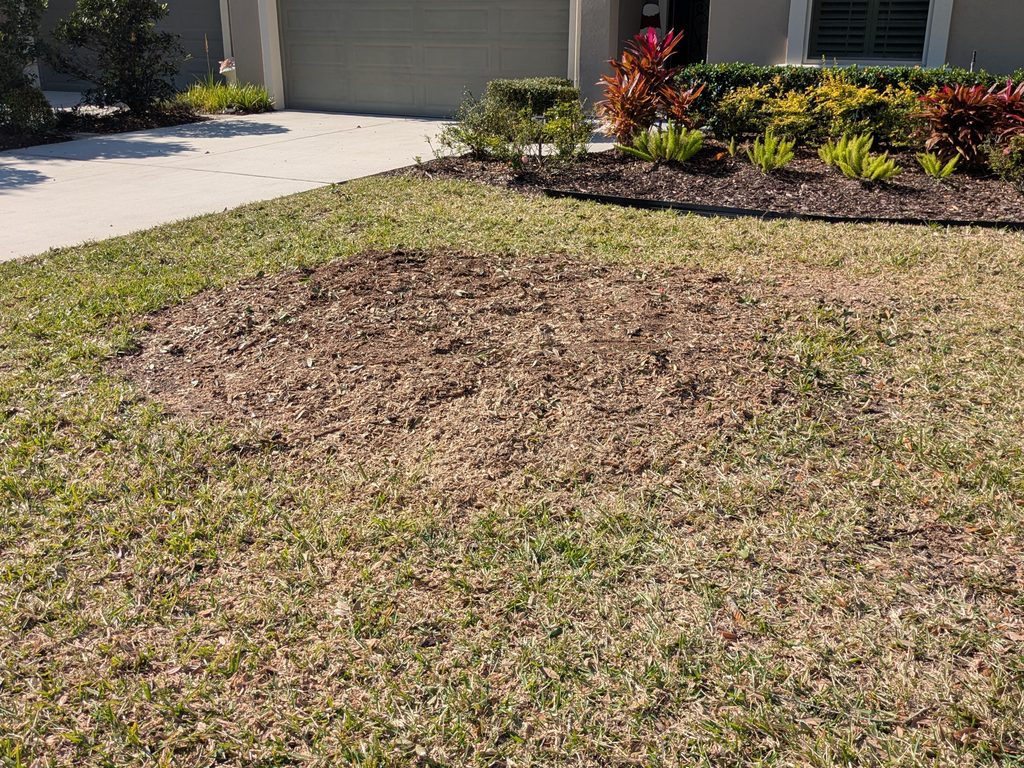
Michel’s Landscaping offers stump grinding and removal, along with sod installation, tree planting, and landscape renovation. Those are relevant services to discuss together, but the estimate should identify which tasks are included in your project.
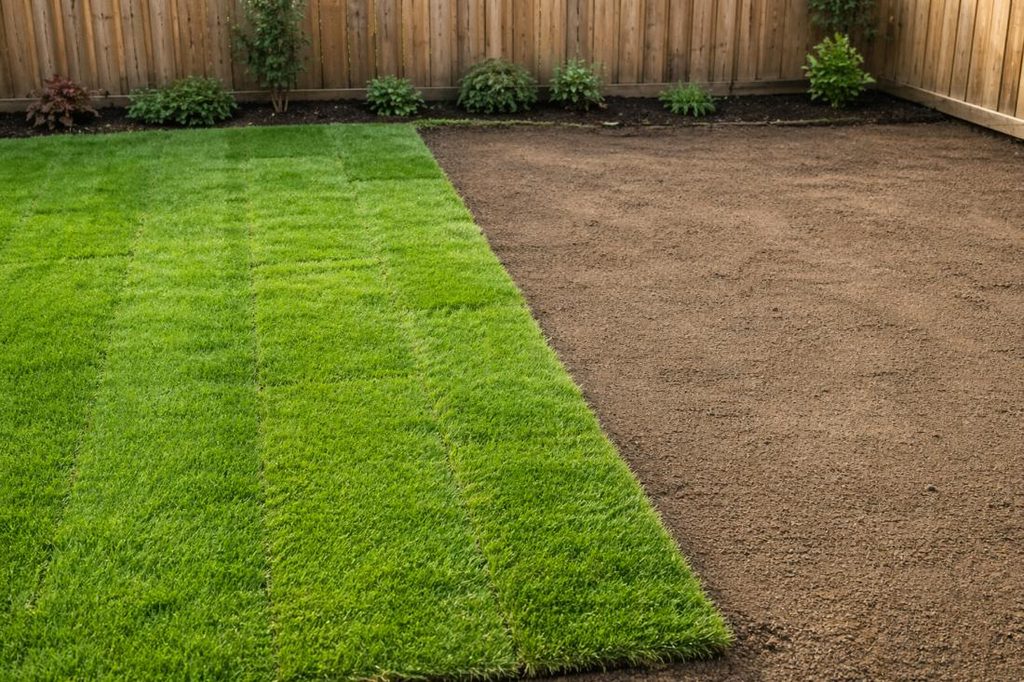
Planting grass after stump grinding
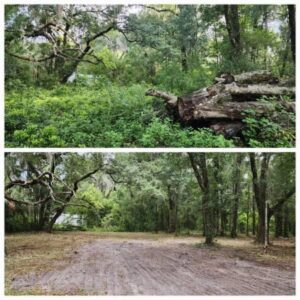
Grass is a possible choice when your goal is to reconnect the spot with the surrounding lawn. The important part is preparing the area so it functions as lawn soil rather than a pile of covered wood debris.
Address grindings before adding grass
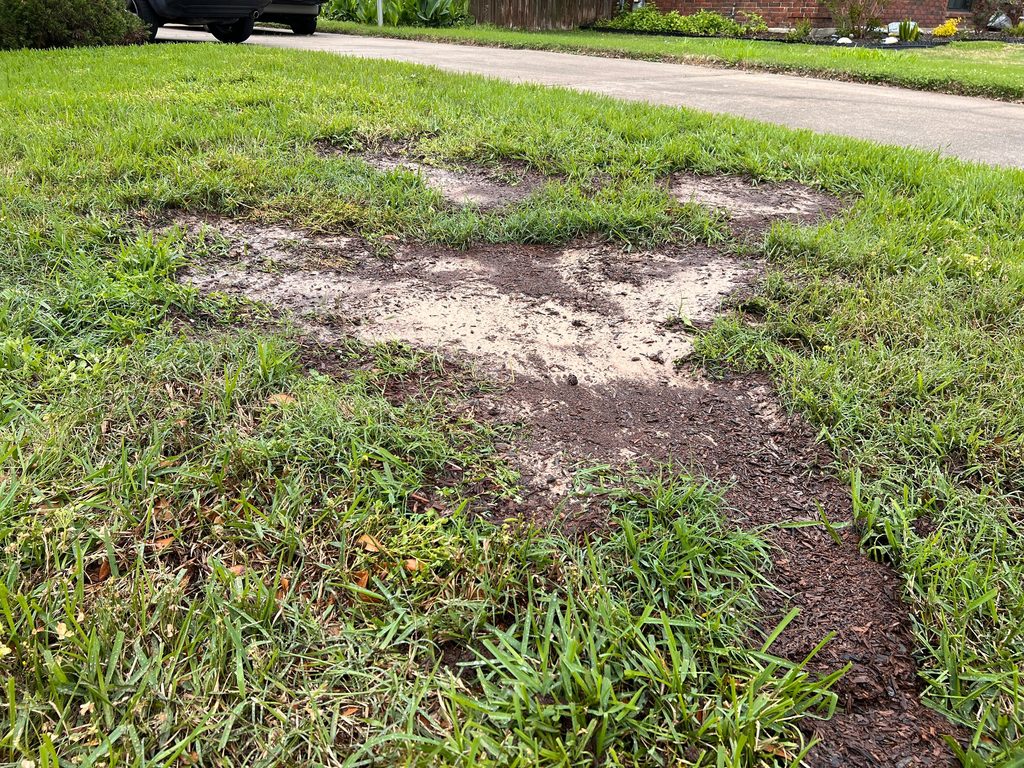
Avoid assuming that stump grindings are interchangeable with topsoil. A planting area containing substantial woody material can change as that material breaks down. Covering it with a thin layer of soil does not necessarily create a durable, even lawn surface.
Ask the contractor to assess how much material needs to come out and what soil preparation is appropriate. The answer should reflect the actual condition of the site, not a standard amount of fill applied to every stump location.
Plan the finished surface
The restored spot should be considered alongside the surrounding lawn, nearby beds, and drainage. Simply filling a visible hole is not the same as planning the final grade.
Point out any low areas or places where you have noticed water collecting. Photos taken after rain can help explain your observations. Avoid requesting a raised mound or a drainage change without having the wider area assessed.
Check the light and irrigation
Removing a tree can change how much sun reaches the lawn. That makes this a useful time to review the site rather than automatically copying the previous planting choice.
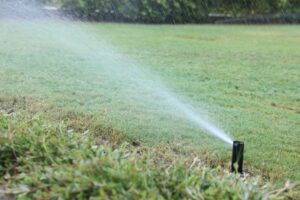
Also check how irrigation reaches the restoration area. Report any damaged components or uneven coverage before new grass goes in. Michel’s Landscaping offers irrigation setup, repair, and optimization, which can be discussed alongside lawn restoration when needed.
Removing a tree can change the growing conditions in the surrounding landscape. The UF/IFAS Florida-Friendly Landscaping program offers guidance on selecting plants for appropriate locations, managing irrigation, and maintaining landscapes suited to Florida’s conditions.
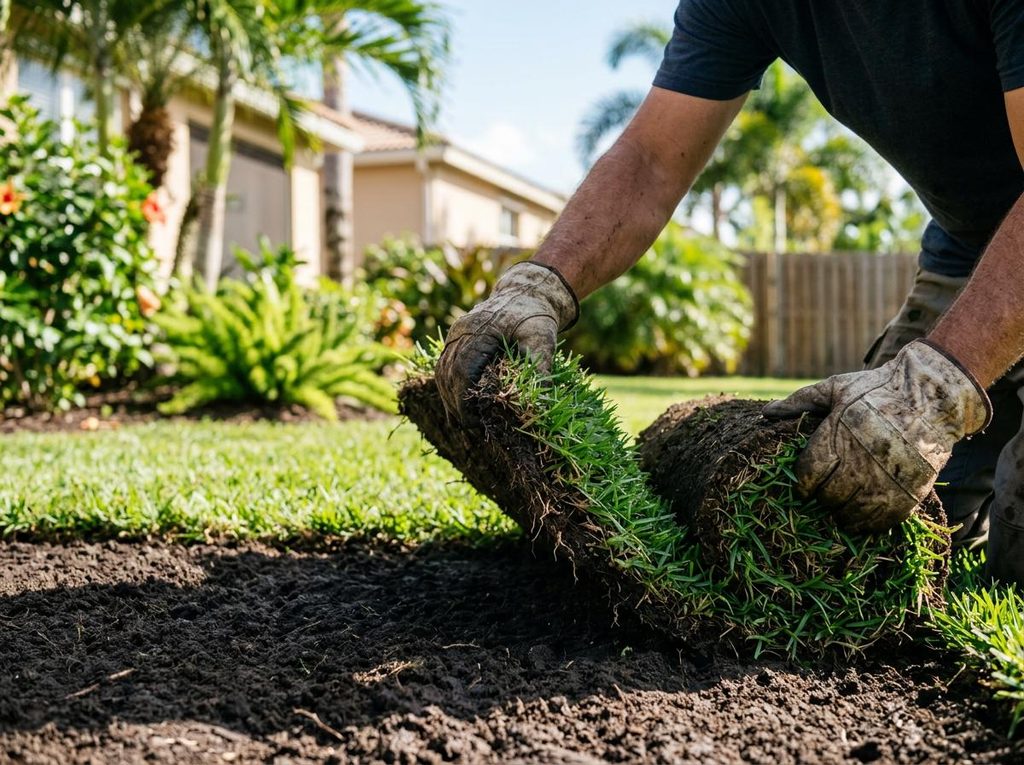
Its sod installation service includes soil preparation, measurement, sod selection for site conditions, and placement. For a former stump location, ask how the preparation will address the remaining debris and surrounding lawn level.
Planting a new tree after stump grinding
A replacement tree calls for a different assessment. The former tree’s location may look convenient, but that does not automatically make the exact same spot the right planting site.
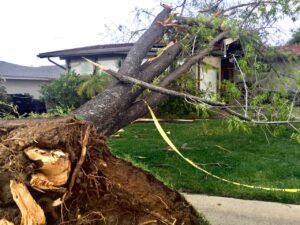
Remaining stump material and large roots can interfere with preparing a suitable planting hole. Before buying a replacement, have the intended location evaluated. The practical choice may be to move the new tree to a nearby position or address more of the remaining material first.
Choose the location before choosing the tree
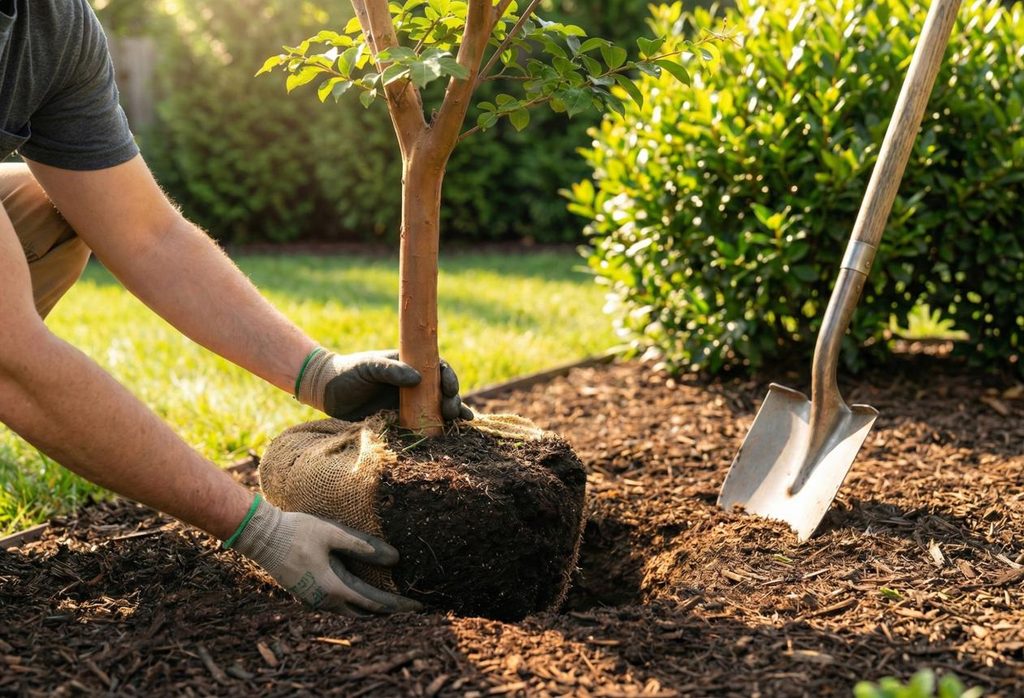
Consider the space available for the replacement tree as it grows, including its relationship to the house, driveway, walkways, overhead lines, and other plants. Identify irrigation and underground utilities before any digging begins.
Before digging for a replacement tree, underground utilities need to be considered. Sunshine 811 provides Florida property owners and contractors with information about requesting utility locates before excavation. Confirm the applicable requirements before starting work.
Choosing the right location is an important part of establishing a replacement tree. The UF/IFAS guide to planting and establishing trees provides information about selecting a planting site, preparing the planting area, and caring for newly planted trees in Florida.
Rather than requesting a fixed offset from the old stump, ask which location offers suitable soil and enough room for the intended tree. There is no single distance that accounts for every stump, root system, and property layout.
Explain why the old tree was removed
Share whether the tree was removed because of damage, decline, crowding, or a landscape change. Do not assume that a new tree will solve the conditions that affected the previous one.
If the cause of decline is uncertain, raise that uncertainty before replanting. It is more useful to assess the site than to select a replacement based only on appearance.
How long should you wait before replanting?
There is no universal waiting period that makes every ground stump location ready for grass or a tree. Readiness depends on the remaining material, soil preparation, finished grade, and intended planting.
Time alone does not remove buried wood or correct an unsuitable planting location. Conversely, the calendar should not be the only reason to delay a site that has been appropriately assessed and prepared.
Ask for a readiness assessment and a planting plan rather than relying on a blanket instruction to wait a certain number of weeks.
Questions to settle before the work starts
A useful estimate should connect stump work with your intended finish. Confirm who will handle debris, soil preparation, surface leveling, irrigation issues, and planting. If work will happen in stages, clarify what condition the site will be left in between visits.
For a larger redesign, the stump location can be considered as part of a landscape renovation, rather than repaired as an isolated patch. Michel’s Landscaping customizes landscape plans to property needs and client preferences.
Frequently asked questions
Can I put sod directly over stump grindings?
Do not treat grindings as a finished soil base. Have the woody debris and soil condition assessed, then complete the necessary preparation before placing sod.
Can I plant a new tree in the exact same spot?
Possibly, but the location needs evaluation. Remaining wood and roots may make a nearby planting position more practical, or additional removal may be needed.
Does stump grinding include new grass?
Do not assume so. Ask whether your estimate includes debris removal, soil preparation, leveling, and sod installation as well as stump grinding.
What if I do not want another tree or lawn there?
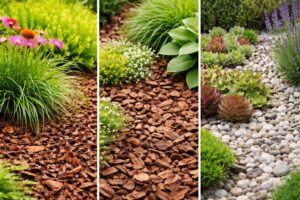
A planting bed or broader landscape change may fit your plans. The area still needs preparation appropriate to its intended use, so discuss the finished design before deciding the stump-work scope.
For a North Port property, Michel’s Landscaping can discuss stump work alongside lawn restoration, tree planting, or landscape renovation. Get a Quote and explain what you want the area to become so the proposed work addresses the finished space, not just the stump.