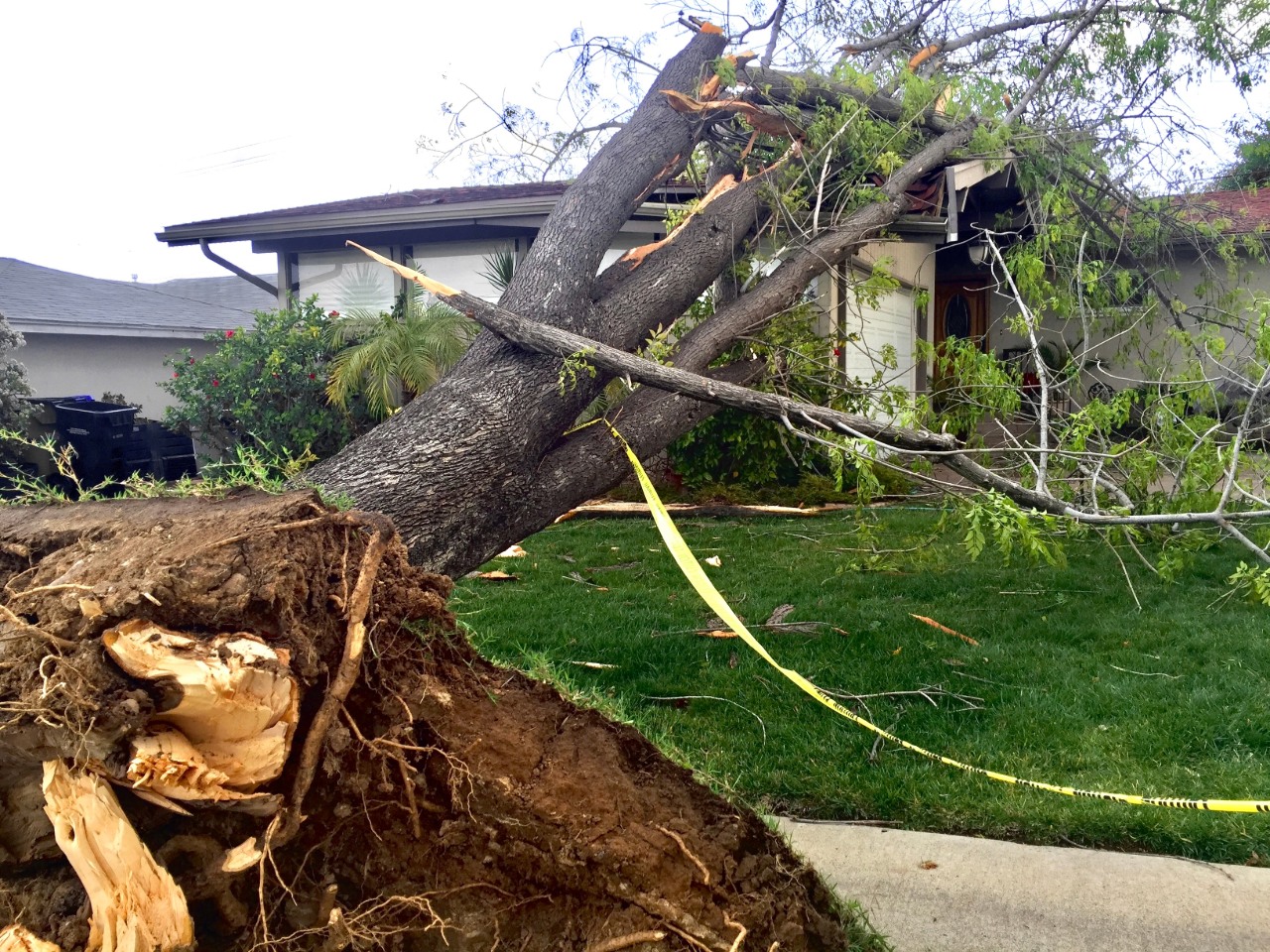
Storm-damaged trees North Port homeowners encounter after heavy winds and severe weather don’t always need to be removed. In some cases, professional trimming may address broken or hanging branches while allowing the tree to remain. However, damage involving the trunk, root system, or major structural connections can require a more extensive assessment.
The challenge is determining whether the damage is limited to individual branches or affects the tree’s overall stability. A tree may look relatively intact from a distance while still having problems that aren’t immediately visible.
For homeowners and commercial property owners in North Port, Florida, safety should come before deciding between trimming and removal. Keep people and vehicles away from damaged trees, avoid standing beneath hanging limbs, and arrange an on-site assessment by an appropriately qualified tree professional.
Michel’s Landscaping provides tree trimming, pruning, removal, stump grinding, and debris removal services for properties in North Port and surrounding Southwest Florida communities.
This guide explains five important warning signs to report, when trimming may be sufficient, when removal deserves consideration, and what to ask before approving storm-related tree work.
Storm-Damaged Trees North Port: Safety Comes First
Look only from a safe location. Do not stand beneath hanging branches, climb into the tree, or move storm debris that could be holding other limbs in place. Keep children, pets, visitors, and vehicles away from the affected area.
The International Society of Arboriculture’s tree-risk guidance emphasizes taking precautions around damaged trees and seeking qualified professional assistance. Hanging limbs, leaning trees, and damage near frequently used areas should not be treated as routine yard cleanup.
If a tree or branch is touching a power line or a line is down nearby, stay away and contact the utility. Do not attempt to cut or move it. Contact emergency services if there is an immediate threat to people.
Photographs can help explain the situation when requesting service, but take them only from a safe distance. There is no reason to approach a damaged trunk or walk underneath a branch to get a better picture.

When Tree Trimming May Be Enough After a Storm
Trimming may be an option when damage is limited to individual branches and an assessment finds that the remaining tree can be retained. The important distinction is between damaged limbs and damage involving the tree’s main supporting structure.
Conditions worth discussing during an assessment include:
- Broken branches concentrated in a limited part of the tree.
- No apparent new lean or movement at the base.
- No visible major split in the trunk.
- Enough remaining growth and structure to consider retaining the tree.
These are discussion points, not a homeowner’s safety checklist. A tree can have problems that are hard to see from the ground, and visible damage does not mean it is safe.
Ask what the proposed pruning would remove and what concerns would remain afterward. The aim should not be to cut the tree back as far as possible simply because a storm occurred. The work should respond to the actual damage.
When a damaged tree can be retained, pruning should address the actual hazards without unnecessarily removing healthy growth. The UF/IFAS guide to restoring trees after a hurricane recommends focusing initial cleanup on hazardous and broken branches while avoiding excessive pruning or topping.
Michel’s Landscaping offers tree trimming, pruning, and removal for residential and commercial properties in North Port and surrounding Southwest Florida communities.

When Storm-Damaged Tree Removal Deserves Consideration
Damage involving the trunk, base, or a substantial part of the tree calls for more than a branch-cleanup discussion. Removal may be necessary, but that decision should follow an on-site evaluation rather than a photograph alone.
The UF/IFAS guide to assessing hurricane-damaged trees explains how damage to major trunks, structural branches, and root systems can affect decisions about retaining or removing a tree. These conditions require professional evaluation rather than a homeowner’s judgment from a photograph.
A new lean or disturbance around the base
Please inform the service provider if the tree is leaning differently than it did before the storm. Also mention lifted soil, exposed roots, or a change in ground level immediately around the base. Do not approach the tree to test whether it moves.
The useful question is whether the tree itself has shifted—not simply whether some branches are hanging lower.

A split trunk or major broken connection
A split through the trunk or damage where large sections join deserves prompt attention. Cutting away the most obvious broken limb may not address the condition of the remaining structure.
Ask whether the damage is isolated or affects the parts that would stay in place after pruning.

Extensive loss of branches
When much of the upper tree is broken or missing, the decision becomes more involved than removing scattered limbs. Ask whether retaining the tree is realistic and what follow-up would be needed.
Avoid relying on a universal percentage of branch loss to decide. The tree condition and the location of the damage matter to the recommendation.
Damage near buildings or frequently used areas
A damaged tree beside a house, parking space, entrance, or walkway needs an assessment that considers those surroundings. Explain how the area is used and whether access can remain restricted while work is arranged.
Location alone does not settle the trim-or-remove decision, but it is essential context for planning the response.

5 Critical Warning Signs to Report After a Storm
When evaluating storm-damaged trees in North Port, certain visible changes deserve prompt professional attention. These signs do not automatically mean a tree must be removed, but they can indicate conditions that need a closer assessment.
Always observe from a safe location. Do not approach a damaged tree to inspect its trunk, roots, or branches.
1. A Tree Has Developed a New Lean
A tree that leans differently after a storm may have experienced changes in its root support or structural stability.
Report any noticeable change in the tree’s position, especially if it appears to be leaning toward a house, driveway, walkway, or another frequently used area.
Do not attempt to push, straighten, or stabilize the tree yourself.
2. Soil or Roots Have Lifted Around the Base
Visible root exposure, lifted soil, or disturbed ground around the base may indicate that the tree shifted during the storm.
These conditions are important because a tree’s root system contributes to its stability.
Keep the area restricted and describe the visible changes when requesting an assessment. Do not approach the base to investigate further.
3. The Trunk or Major Branch Connections Are Split
Cracks in the main trunk or splits where large branches connect can affect the tree’s supporting structure.
Removing a visibly broken limb may not resolve damage extending into the trunk or another major connection.
Ask a qualified tree professional whether the remaining structure can be retained or whether removal is necessary.
4. Large Branches Are Hanging or Partially Detached
A branch does not have to reach the ground to be dangerous.
Partially detached limbs may remain suspended in the canopy, rest against other branches, or hang over areas where people normally walk or park.
Keep people and vehicles away from the affected area. Do not attempt to pull down, shake, or cut hanging branches.
5. Extensive Damage Has Changed the Tree’s Structure
When a storm removes several large branches or leaves the remaining canopy severely unbalanced, the tree may need more than ordinary trimming.
The appropriate response depends on the extent and location of the damage, the tree’s condition, and the surrounding property.
Avoid relying on a fixed percentage of lost branches to determine whether removal is necessary.
Storm-Damaged Trees: Trimming vs. Removal
The decision between trimming and removing a storm-damaged tree depends on more than how many branches are broken. A qualified tree professional should evaluate the remaining structure, root support, visible defects, and nearby areas that could be affected if another part fails. The following comparison explains the considerations behind each approach.
| Condition | Trimming May Be Considered | Removal Deserves Closer Evaluation |
|---|---|---|
| Broken branches | Damage is limited, and the remaining structure can be retained. | Major structural connections are compromised. |
| Trunk condition | No significant structural defect is found during assessment. | Major trunk cracks or splits are identified. |
| Root support | Assessment supports retaining the tree. | Root failure or substantial displacement is identified. |
| Canopy damage | The remaining structure is suitable for recovery. | Extensive damage leaves an unacceptable risk. |
| Nearby structures | Risks can be managed through appropriate pruning or access restrictions. | The remaining tree presents an unacceptable risk to people or property. |
| Long-term outlook | Professional assessment supports retention. | Tree condition or structural defects make retention unsuitable. |
This table is for understanding the scope of professional assessment, not for homeowners to determine whether a damaged tree is safe.
What These Warning Signs Mean
The presence of one or more warning signs is a reason to restrict access and seek professional evaluation, not proof that a tree must be removed.
A qualified assessment can help determine whether selective pruning, further evaluation, or removal is the appropriate response.
For North Port homeowners, the priority should be addressing immediate hazards before making decisions about appearance, landscaping, or routine maintenance.
What to share when requesting an assessment
A clear description helps separate urgent tree concerns from routine cleanup. Gather what you already know without entering the affected area:
- What changed during the storm, including any new lean or visible split.
- Whether branches are hanging, grounded, or resting on a structure.
- Whether utilities, fences, buildings, or access routes are nearby.
- Any known earlier damage or decline.
- Photographs taken from a safe position.
If you manage a commercial property, explain which entrances, parking areas, or pedestrian routes are affected. For a home, identify any area that people normally need to pass through.
Michel’s Landscaping offers emergency tree services. When contacting the company, describe the situation and confirm availability rather than assuming a particular response time.
What to Look for When Hiring a Storm-Damage Tree Service
Storm-related tree work can involve unstable branches, compromised trunks, and difficult access conditions. Choosing a qualified provider is especially important when the work involves large trees or areas near buildings and utilities.
Before agreeing to service, consider the following questions.
Who Will Assess the Tree?
Ask who will evaluate the damage and what experience or qualifications they have with storm-damaged trees.
For complex structural concerns, consider requesting an assessment from an ISA-certified arborist, particularly one with tree-risk assessment qualifications.
What Safety Precautions Will Be Used?
Ask how the work area will be managed and whether nearby entrances, parking areas, or walkways need to remain closed during the project.
Do not assume that routine landscape maintenance procedures are appropriate for hazardous tree work.
Does the Company Have Appropriate Insurance?
Ask about applicable liability insurance and workers’ compensation coverage before approving the work. Request documentation where appropriate.
What Does the Written Quote Include?
Clarify whether the proposal covers trimming, removal, debris handling, hauling, cleanup, and any stump work.
Also ask whether the proposed work is intended to address an immediate hazard or includes additional routine pruning and landscaping improvements.
What happens after the immediate hazard has been addressed?
Once the damaged tree has been assessed and necessary work completed, ask whether further monitoring or follow-up care is recommended.
If removal is necessary, please discuss stump removal and future landscaping separately to ensure that the immediate safety work remains the priority.
What Should a Storm-Damage Tree Service Quote Include?
Trimming or removal is only part of the scope that needs clarification. Ask whether the proposed work includes cutting and handling fallen material, hauling debris, and cleaning the work area.
If removal is recommended, please discuss the stump separately. Do not assume stump work is included in the tree-removal quote. Michel’s Landscaping also offers stump grinding and removal, so this aspect can be raised while planning the job.
Please explain what you would like to do with the space afterward. Keeping it open, restoring landscaping, or preparing for another improvement may call for different follow-up work. Settle the immediate tree concern first, then define any additional property work clearly.
Frequently asked questions
Can a storm-damaged tree be saved with trimming?
Occasionally. Trimming may be appropriate for damage limited to branches, provided an assessment supports retaining the rest of the tree. Trunk damage, changes at the base, and extensive breakage need closer evaluation.
Does a new lean mean the tree must be removed?
It is a reason to keep clear and request prompt assessment, not something to diagnose from appearance alone. Tell the provider that the l’
;ean is new and mention any visible ground disturbance.
Can I remove hanging branches myself?
Do not work beneath hanging limbs or climb a storm-damaged tree. Please keep the area clear and consider arranging for a tree service. Any involvement with power lines should be reported to the utility.
Is stump grinding included with tree removal?
Confirm the details in the quote. Tree removal and stump work should be clearly identified so you know what will remain and what cleanup is included.
Get Professional Help With Storm-Damaged Trees in North Port
Dealing with storm-damaged trees in North Port requires careful decisions about safety, trimming, removal, and property cleanup.
Not every damaged tree needs to be removed. When the damage is limited to certain branches and the remaining structure can be retained, professional pruning may be an appropriate solution.
However, a new lean, disturbed roots, major trunk splits, hanging limbs, or extensive structural damage should prompt a closer evaluation.
Before deciding what work is needed, keep people away from the affected area and arrange an on-site assessment. A qualified tree professional can help determine whether trimming is sufficient or whether removal should be considered.
Michel’s Landscaping provides tree trimming, pruning, removal, stump grinding, and debris removal services for residential and commercial properties in North Port and surrounding Southwest Florida communities.
Whether your property has broken branches or more substantial storm damage, clearly describing the affected areas and your cleanup needs can help establish the appropriate scope of work.
Get a Quote from Michel’s Landscaping to discuss your storm-damaged tree and the next steps for your property.