
Concrete curbing vs landscape edging—which option makes more sense for your North Port yard? Both can help define planting beds and create a cleaner separation between your lawn and landscaped areas. However, the right choice depends on your preferred appearance, existing bed layout, maintenance needs, and future landscaping plans.
For North Port homeowners, concrete curbing may be worth considering when they have already established planting bed locations and prefer a more permanent-looking border. Other landscape edging materials may offer different design possibilities, particularly when flexibility and future changes are important. Neither option should be treated as a solution to existing drainage or grading problems.
Michel’s Landscaping offers concrete curbing, customized landscape design, installation, and renovation services throughout North Port and surrounding Southwest Florida communities. This guide explains the differences between concrete curbing and standard landscape edging, along with five important yard conditions to review before requesting an estimate.
Concrete Curbing vs Landscape Edging: What Are You Actually Comparing?
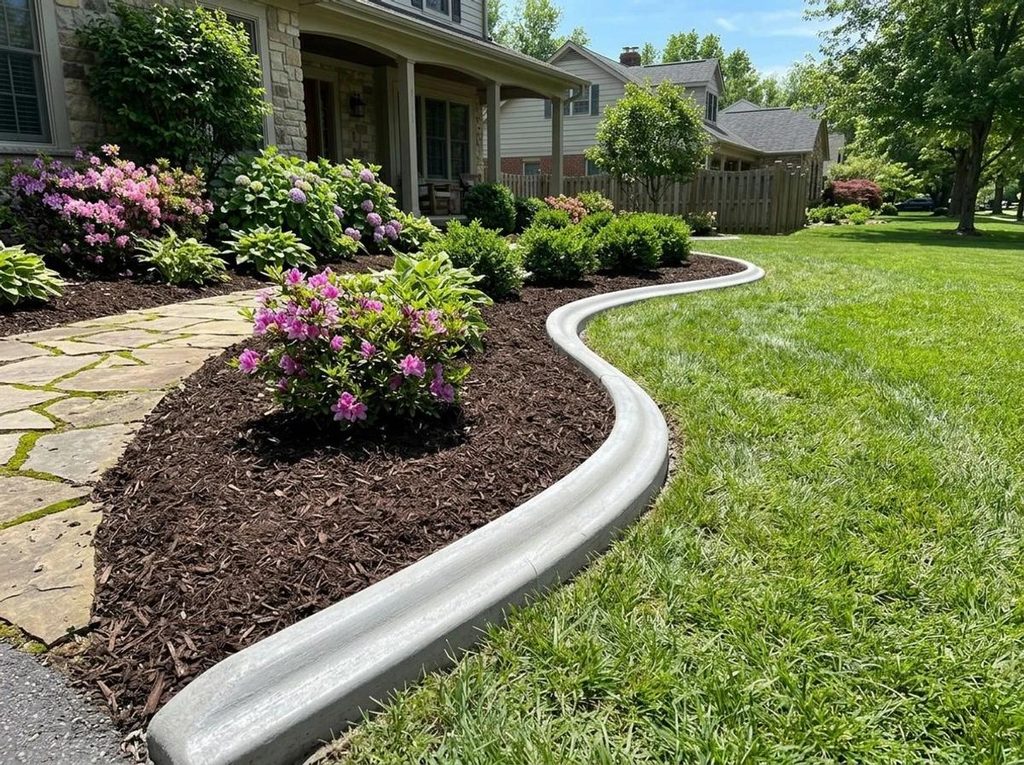
Concrete curbing creates a defined concrete border along a landscape area. Standard landscape edging is a broader category, often used to describe separate edging materials or sections placed along a bed boundary.
That distinction matters because “standard edging” is not one specific product. Its appearance, installation needs, and suitability depend on the material and design under consideration. A useful estimate should identify the actual option being proposed rather than simply call it edging.
Start with the purpose of the border. Are you trying to define a planting bed, make an entrance look more cohesive, separate different landscape areas, or replace an awkward existing boundary? The answer helps narrow the design before you choose a material.
When Concrete Curbing Is Worth Considering
Concrete curbing belongs on your shortlist when the bed shape is already settled and you want a clearly defined border as part of the overall landscape plan.
It may fit your project if:
- You intend to keep the current bed locations and general dimensions.
- You want the borders around several beds planned as a coordinated feature.
- You are renovating the landscape and can finalize the planting layout before border installation.
- You prefer a substantial, visibly defined separation between the lawn and planting areas.
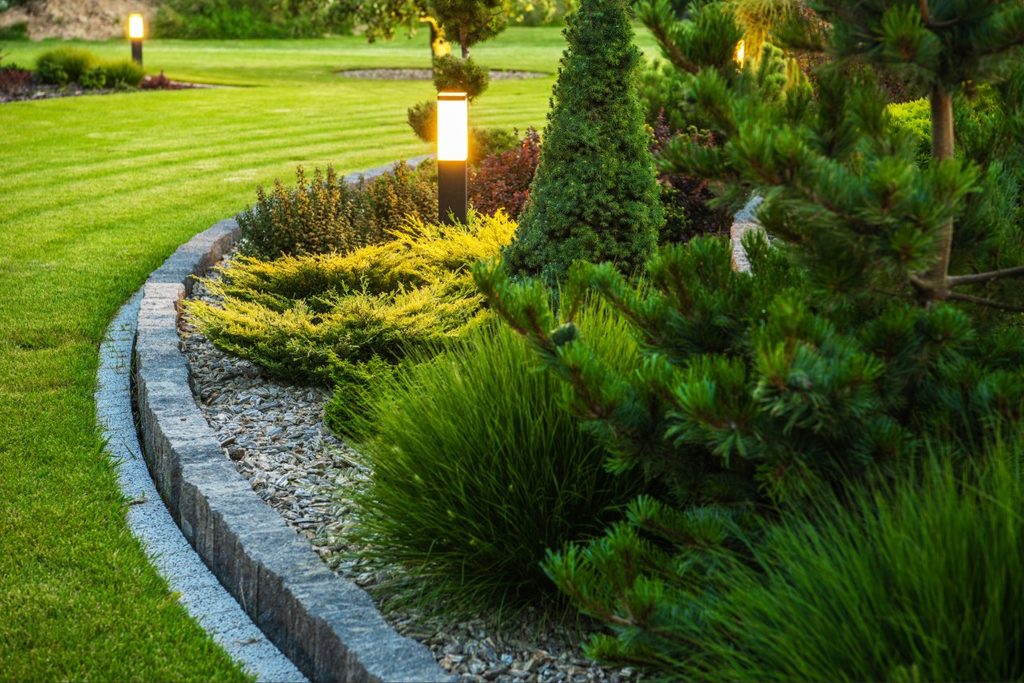
The important question is not simply whether you like the look of curbing. It is whether you like the layout it will follow. A border that hugs an undersized bed or creates an inconvenient corner may leave you wanting another renovation later.
Michel’s Landscaping’s landscape renovation service includes plans customized to property needs and client preferences. If your beds need more than a new edge, discussing the layout first keeps the border decision connected to the rest of the project.
When Other Landscape Edging May Fit Better
Compare alternative edging options if you are still experimenting with bed shapes or expect to change how you use the yard.
For example, you may be deciding whether to expand a planting area, add a walkway, or replace part of the lawn with a different landscape feature. In that situation, ask how easily you can change each proposed border and what that change would involve.
Do not assume all standard edging is equally flexible, inexpensive, or simple to install. Those questions apply only to the specific material and site, not to the entire category.
If adaptability is your main priority, say so at the beginning of the consultation. A useful comparison should address future changes as well as the initial appearance.
Five Yard Conditions to Review Before Choosing
1. Rainwater movement
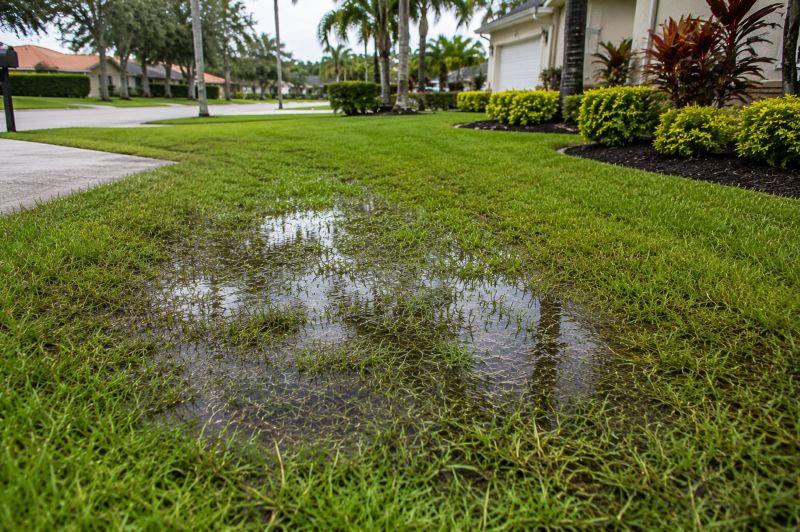
For a Southwest Florida yard, include drainage in the border discussion. Note where water collects after rain and where it currently travels across or alongside planting beds.
Share those observations before approving a layout. Ask how the proposed border will accommodate the site’s drainage needs. Do not use edging to disguise a low area or assume curbing will correct standing water.
2. Lawn maintenance access
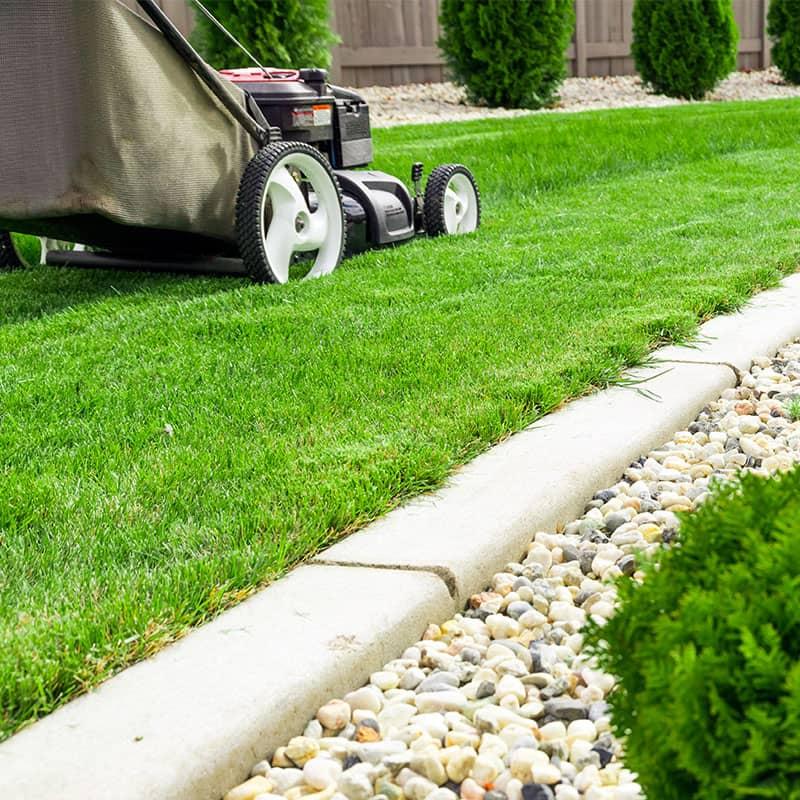
Look at the yard from a maintenance perspective. Are there narrow lawn strips, tight turns, or corners that are already difficult to reach?
Ask how mowing and trimming would work beside each proposed border. Sometimes changing the bed shape is a more useful improvement than replacing the border along the same inconvenient line.
3. Irrigation locations
Identify irrigation heads and visible irrigation components near the proposed work. Discuss whether the new bed shape or border calls for an irrigation review.
Michel’s Landscaping offers irrigation setup, repair, and optimization, so irrigation needs can be included in the broader project conversation rather than overlooked until the border is installed.
When changing planting bed shapes or borders, consider how the revised layout may affect watering needs. The EPA WaterSense landscaping tips provide additional guidance on water-efficient landscape planning and irrigation.
4. Planting plans
Decide which plants you intend to keep, replace, or add. Consider the space the completed planting arrangement will need rather than drawing the border around the plants’ current appearance alone.
If you are unsure about the planting plan, please resolve that question before treating the edging layout as final.
Before finalizing bed boundaries, consider how the selected plants will grow and how much space they will need. The UF/IFAS Florida-Friendly Landscaping program offers guidance on appropriate plant selection and landscape planning for Florida properties.
5. Nearby improvements
A planned patio, walkway, tree project, or landscape renovation can affect where a border belongs. List those projects even if they will happen later, and ask which work should come first.
How to Compare Estimates Fairly
Comparing only the total price can hide differences in project scope. Ask each estimate to clarify:
- The border locations and proposed layout.
- The specific material or curbing design being offered.
- Whether removal of existing edging is included.
- What site preparation and cleanup are included.
- Whether planting, irrigation, or other landscape changes are separate work.
- What maintenance expectations apply to the proposed installation.
There is no supported price comparison that applies to all situations. Without a defined layout and scope, it is not useful to assume concrete curbing or another edging option will be the cheaper choice.
Frequently Asked Questions
-
Is concrete curbing better than standard landscape edging?
Not for every project. Consider concrete curbing when you have a settled landscape layout and want a defined concrete border. Compare other options when future layout changes are a major concern, checking the details of each proposed material.
-
Will concrete curbing fix drainage problems?
Do not select it based on that assumption. Existing standing water or drainage concerns should be assessed separately and considered when planning the border.
-
Should I renovate my beds before installing edging?
If you plan to change the bed shapes, plants, or nearby landscape features, finalize those decisions first. Then discuss installation sequencing so the border fits the finished plan.
-
Does Michel’s Landscaping offer concrete curbing in North Port?
Yes. Concrete curbing is among Michel’s Landscaping’s outdoor property services, and North Port is within its Southwest Florida service area. The company also provides landscape design, installation, and renovation for residential and commercial properties.
Choose the Border Around the Plan
Before your consultation, gather photos of the existing borders, note any drainage concerns, and list the landscape changes you expect to make. Those details make the conversation more useful than choosing a border by appearance alone.
Ready to discuss concrete curbing for your North Port yard? Get a Quote from Michel’s Landscaping for a plan that considers your bed layout and broader landscape needs.