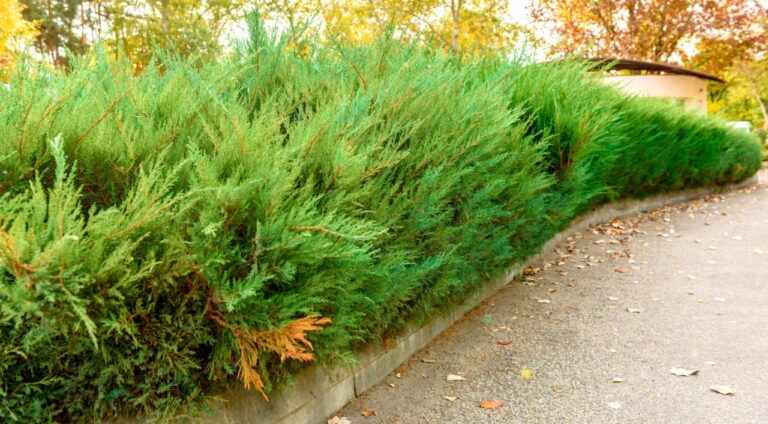
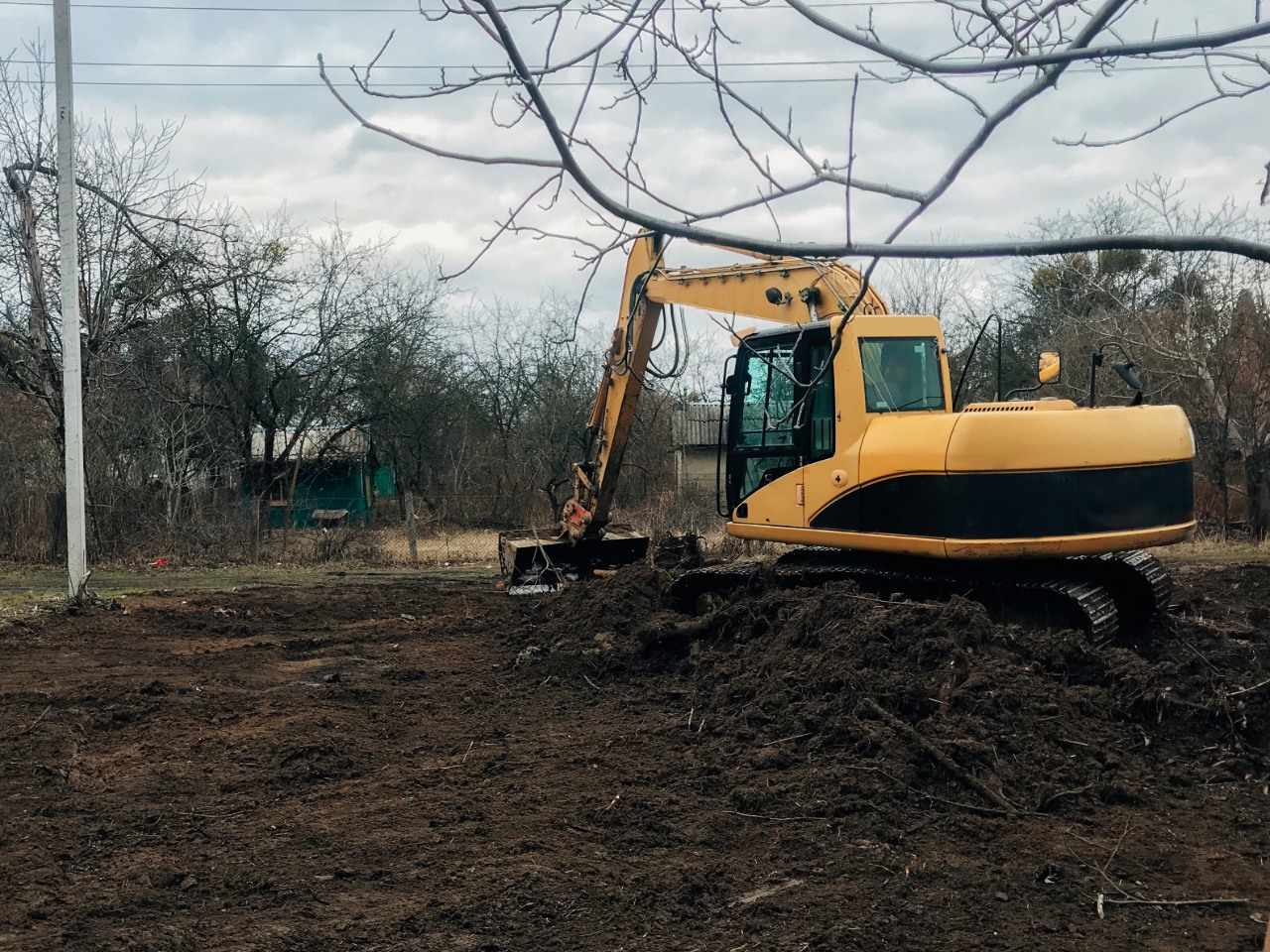
Selective clearing North Port homeowners are considering should begin with one important question: What do you want to keep? Improving an overgrown property doesn’t always require removing every tree, shrub, or existing landscape feature. Often, the goal is to create usable space while retaining selected trees that contribute shade, character, and visual appeal.
Whether you’re opening an overgrown backyard, preparing space for future landscaping, or improving access to an unused section of your property, selective clearing requires more planning than simply identifying unwanted vegetation.
You also need to consider equipment access, clearing boundaries, stump removal, debris handling, and how future grading or landscape improvements could affect the trees you want to preserve.
For North Port property owners, these decisions are especially important when mature trees, existing irrigation systems, and future outdoor improvements share the same space.
Michel’s Landscaping provides selective clearing through its forest clearing services, along with tree work, stump grinding, skid steer grading, and other landscape improvements.
This guide covers seven practical ways to plan selective clearing in North Port, protect your tree-retention priorities, and define the work before removal begins.
Define Your Property Improvement Goals Before Clearing
Describe the intended use before drawing a clearing boundary. “Clean up the back of the property” leaves room for very different interpretations. A more useful description might be: “Make this section accessible for maintenance while retaining the trees we identify during the walkthrough.”
Consider these questions:
- Which areas need to become accessible or easier to maintain?
- Are you planning landscaping now or construction later?
- Where do you want to retain trees or existing vegetation?
- Does the work involve one section of the property or several separate areas?
- What should the site look like when the clearing phase is complete?
Before requesting selective clearing North Port property owners should separate immediate needs from future improvements. For example, clearing an access path for routine maintenance is different from preparing an area for a patio, shed, or expanded landscape bed. Defining the intended use helps determine how much vegetation needs attention and which existing trees may fit into the finished space.
Separate immediate goals from future possibilities. If a patio, walkway, or other improvement is only an idea, say so. That lets the discussion account for it without treating an unfinished plan as a final removal decision.
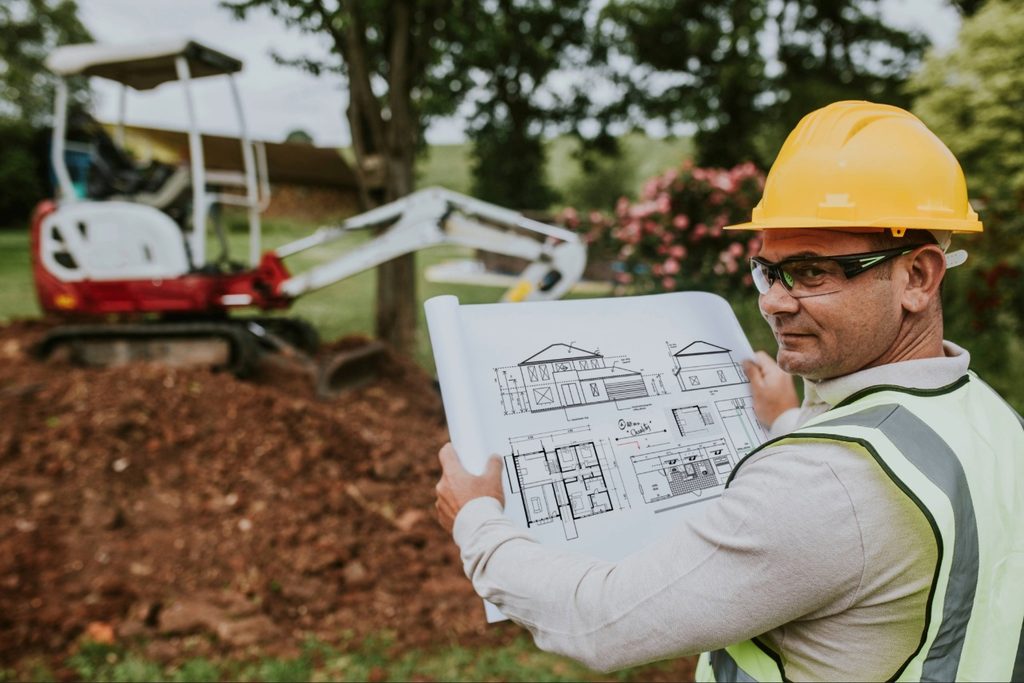
Identify and Mark the Trees You Want to Keep
Walk the property and identify the trees you would like to retain. Use photographs and a simple sketch to communicate your preferences, then confirm them during the site evaluation.
A practical planning method is to place vegetation into three groups:
- Keep: Trees and planted areas you want retained.
- Remove: Vegetation within the proposed clearing scope.
- Discuss first: Trees or areas that need a closer review before you decide.
The third group matters. You do not need to make every decision before requesting an estimate, and uncertainty should not become an assumption that removal is approved.
Could you clarify how the agreed keep-and-remove decisions will be identified for the work? Photos can support that conversation, but they should not replace an on-site understanding of the boundaries and individual trees involved.
Keeping a tree also deserves more discussion than leaving its trunk standing. Ask how access, nearby removal, and any proposed soil work will be planned around retained trees. Do not assume a clearing plan guarantees their long-term health or survival.
Tree preservation during selective clearing North Port projects should consider more than the visible trunk and branches. Equipment movement, nearby vegetation removal, and proposed soil changes may affect the surrounding root area. Discuss how retained trees will be identified, what work is planned nearby, and whether additional professional tree assessment is appropriate before approving the final clearing boundaries.
Protecting mature trees during land improvements requires attention to more than the visible trunk and branches. The UF/IFAS Extension’s tree care resources provide educational information about tree biology, roots, and landscape management. Before approving work close to valuable trees, discuss whether the proposed clearing and soil disturbance could affect their condition.
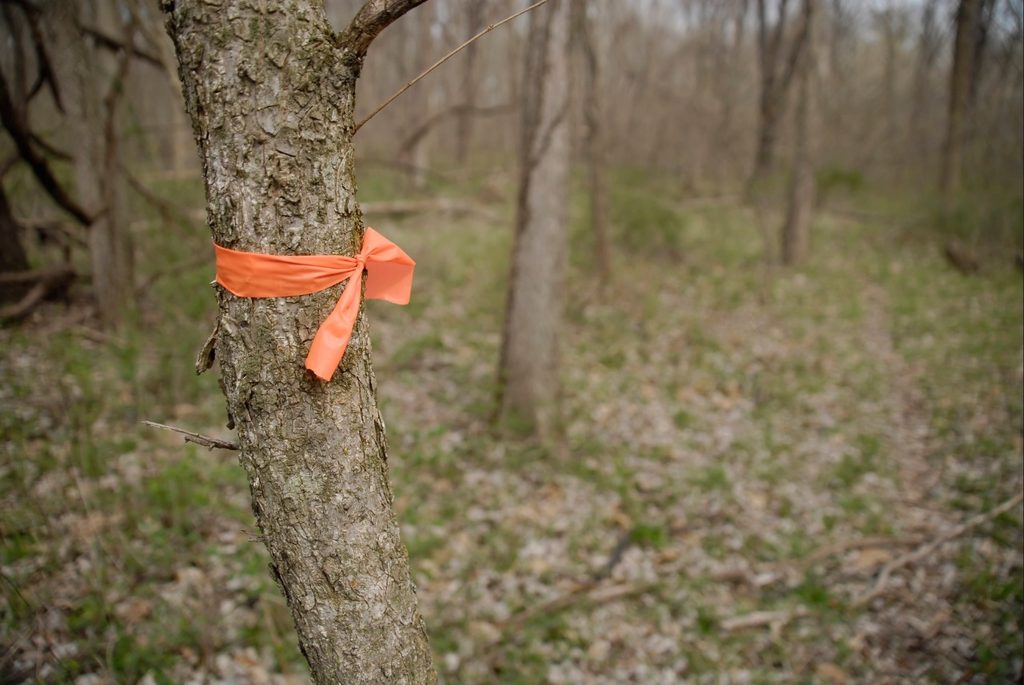
Plan Equipment Access Without Overlooking Existing Features
The area being cleared and the route used to reach it are separate planning decisions. A project can have a carefully defined removal area but still leave unanswered questions about access.
During the walkthrough, point out gates, fences, irrigation components, existing landscaping, and other features you know about. Identify where access is intended and where you do not want activity without further discussion.
Useful questions include:
- Where will equipment enter and move through the property?
- Which existing features need to remain undisturbed?
- Where can removed material be gathered during the work?
- Will access require any additional vegetation removal?
- Who should be contacted if the planned route or clearing boundary needs to change?
A selective clearing plan should identify both the removal area and the route used to reach it. Equipment may need room to enter, maneuver, and move debris, so the access plan deserves the same attention as the clearing boundary. Point out irrigation lines, fences, existing plantings, and any areas where access should be restricted until additional decisions are made.
Equipment movement and nearby construction activities can affect trees that are intended to remain. The International Society of Arboriculture’s tree care guidance offers educational resources on tree health and care. When planning access routes, ask how work near retained trees will be evaluated and whether additional tree-protection recommendations are appropriate.
Avoid guessing about underground features or uncertain property boundaries. Flag those uncertainties before the scope is finalized and ask what needs clarification before work begins.
Decide How Stumps, Brush, and Debris Will Be Handled
“Selective clearing” describes an approach to removal, but it does not, by itself, define every part of the finished site. Ask for the proposed scope to explain what happens to cut material, debris, and stumps.
These decisions should follow your intended use. An area you want to maintain as part of the landscape may have different finish requirements from a section reserved for later site preparation.
Discuss whether the project includes:
- Removal of the selected trees and vegetation.
- Stump work will be done in designated areas.
- Gathering and hauling of debris.
- Additional grading or landscape preparation.
- Follow-up work needed before the next improvement.
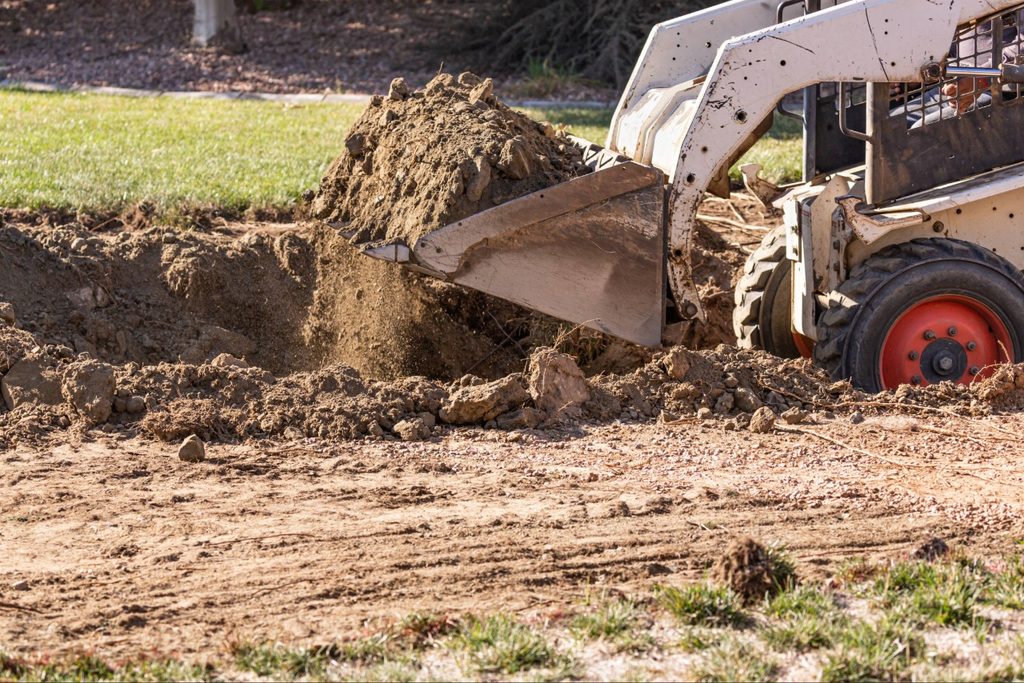
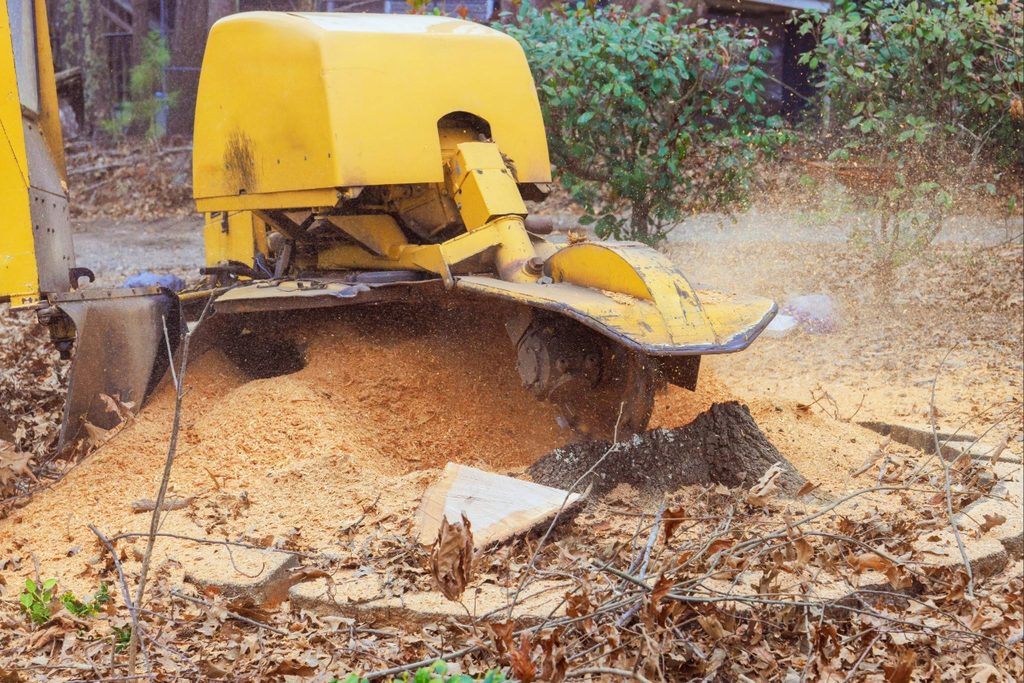
Michel’s Landscaping offers stump grinding and removal, along with skid steer grading, hauling, and debris removal. Those available services should not be assumed to be included in every clearing estimate. Confirm which tasks apply to your property and which would be separate work.
Before approving a selective clearing estimate, ask whether stump grinding, debris hauling, and site cleanup are included or priced separately. A property intended for regular mowing may require different finishing work from an area reserved for future construction or landscape improvements. Confirm what the cleared area will look like once the agreed work is complete.
Coordinate Selective Clearing With Grading and Landscaping
If the property will need more than just vegetation removal, discuss the later work before finalizing the clearing plan. The key question is whether the trees you want to keep fit the full improvement plan—not only the first phase.
For example, if you are considering changes to the ground surface near retained trees, ask how that work will be evaluated before approving it. Share areas where you have observed water collecting after rain, along with any existing irrigation or landscape plans. Do not assume clearing alone will address drainage concerns.
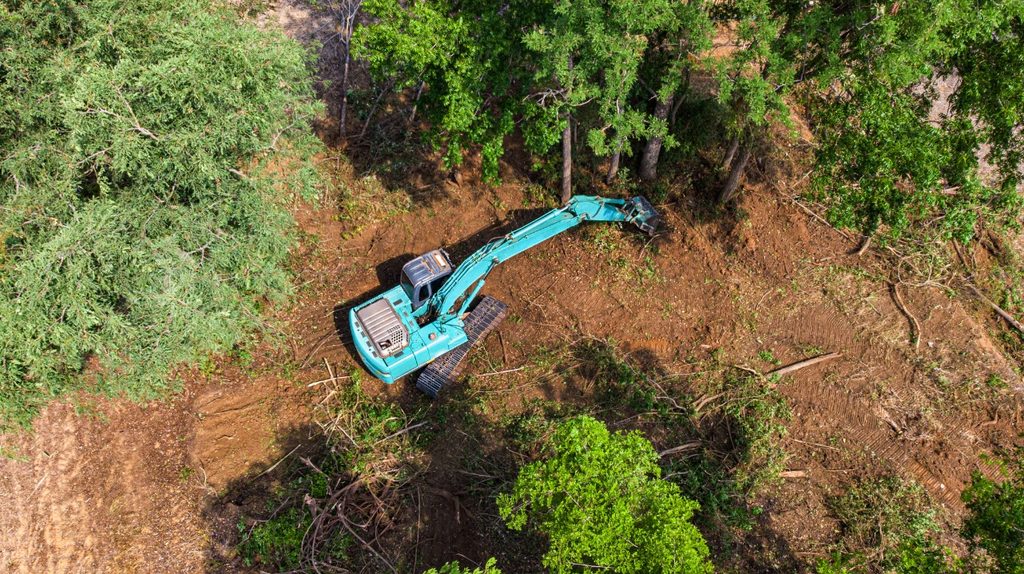
Michel’s Landscaping’s forest clearing services include selective clearing and larger land preparation projects. Its related skid steer services include excavation, grading, and debris removal. Discussing both needs together can help define where clearing ends and additional site work begins.
For a future building project, keep clearing decisions coordinated with the broader site plan. A clearing estimate should not be treated as confirmation of construction readiness, inspection approval, or foundation performance.
When planning selective clearing North Port homeowners should consider whether later grading or landscape construction could affect retained trees. Changes to soil levels, drainage patterns, or equipment access may require additional evaluation before work begins. Discuss the full improvement plan to ensure the clearing phase does not create avoidable conflicts with later landscaping or site preparation.
The Florida-Friendly Landscaping Program provides guidance on landscape planning, plant selection, and responsible management of Florida properties. Considering these principles while planning future improvements can help homeowners evaluate how retained trees, new planting areas, irrigation, and other landscape features may work together.
Compare Selective Clearing Estimates by Detailed Scope
Two estimates described as selective clearing may cover different work. Before choosing a scope, check that the proposal reflects your priorities.
Look for a clear description of the work area, vegetation to retain, removals, access arrangements, stump handling, debris handling, and intended finish. Ask what remains for you or a later contractor to complete.
Also agree on how to handle unexpected decisions. If an additional tree requires attention or a proposed access change arises, please clarify when you will need to approve it. This is especially useful when keeping particular trees is a key reason for choosing selective clearing.
When comparing proposals for selective clearing North Port projects, look beyond the overall price. A lower estimate may exclude stump work, hauling, additional site preparation, or specific tree-retention measures. Ask for a written explanation of the included work, the areas excluded from clearing, and how changes will be approved before additional vegetation is removed.
Confirm Tree Retention and Clearing Boundaries During a Final Walkthrough
Before clearing begins, review the agreed-upon scope with the landscaping provider. This is an opportunity to confirm which trees will remain, which vegetation is approved for removal, and how the work area will be accessed.
A final walkthrough can help identify differences between the written estimate and the actual property conditions.
Confirm the following:
- Trees to retain: Are the individual trees clearly identified and understood by everyone involved?
- Removal boundaries: Does the proposed clearing area match the approved plan?
- Equipment access: Are entry routes and restricted areas clearly discussed?
- Existing features: Have fences, irrigation components, and landscaping features been identified?
- Stump and debris handling: Does everyone understand which tasks are included?
- Future improvements: Could planned grading or landscaping affect the trees being retained?
- Unexpected changes: Who must approve additional removals or changes to the work?
For homeowners considering selective clearing North Port services, this final review can help reduce misunderstandings before equipment arrives.
Please keep a copy of the approved scope, photographs, and any agreed changes. If a decision is still pending, please clarify it before the affected work begins.
Selective clearing is most useful when the finished property reflects both the vegetation you wanted removed and the trees you intentionally chose to keep.
Selective Clearing Planning Checklist for North Port Homeowners
Before requesting or approving a clearing estimate, use this checklist to organize your priorities.
- Property goals: Identify the areas you want to improve and how you plan to use them.
- Trees to retain: List or photograph the trees you want to keep.
- Vegetation to remove: Identify areas where clearing is requested.
- Uncertain decisions: Mark trees or sections that need additional discussion.
- Access routes: Identify gates, fences, driveways, and possible equipment entry points.
- Existing features: Note irrigation components, landscaping, and other property features that require attention.
- Stump handling: Clarify whether grinding or removal is needed.
- Debris removal: Confirm whether hauling and cleanup are included.
- Future work: Discuss grading, drainage, landscaping, or construction plans.
- Scope approval: Agree on how additional work or unexpected changes will be authorized.
Planning selective clearing North Port projects around these considerations can help homeowners communicate their priorities before vegetation removal begins.
The purpose is not to finalize every technical decision independently. It is to give the landscaping provider enough information to evaluate the property and prepare a scope that reflects your goals.
Frequently Asked Questions
-
Can I clear only part of my North Port property?
Michel’s Landscaping offers selective clearing, so the discussion can focus on a defined portion of the property rather than broad removal. The appropriate scope depends on your goals and the site evaluation.
-
Can selected trees stay while surrounding vegetation is removed?
Keeping selected trees can be part of the project plan. Please identify them during the walkthrough and discuss nearby work and access before approving the scope. Retaining a tree is not a guarantee of its future health.
-
Is stump grinding included in selective clearing?
Do not assume it is. Michel’s Landscaping offers stump grinding and removal, but your estimate should specify whether stump work is included and where it will occur.
-
What should I prepare before asking for an estimate?
Bring a short description of your intended use, photos or a sketch of the work area, and a list of trees you want to keep. Note uncertain boundaries, known irrigation features, access limitations, and possible future improvements.
-
Do I need a permit for selective clearing in North Port?
Permit requirements can depend on the property’s location, the type of vegetation involved, and the proposed work. Before removing trees or beginning land improvements, confirm applicable requirements with the City of North Port or the appropriate local authority. A clearing estimate should not be treated as confirmation that all required approvals have been obtained.
Plan Your Selective Clearing Project in North Port
A successful selective clearing North Port project begins with understanding what you want to preserve as well as what needs to be removed.
Whether you’re opening an overgrown backyard, preparing space for future landscaping, or improving access to an unused section of your property, the right approach starts with a clearly defined scope.
Identify the trees you want to retain, discuss equipment access, and confirm how stumps, brush, and debris will be handled. If you plan grading, drainage improvements, or additional landscaping, coordinate those needs before clearing begins.
Michel’s Landscaping provides selective clearing through its forest clearing services, along with related tree work, stump grinding, and skid steer services.
For homeowners in North Port and surrounding Southwest Florida communities, careful planning can help establish realistic expectations and reduce misunderstandings during property improvements.
Ready to discuss your property? Get a Quote from Michel’s Landscaping and explain which areas you want cleared, which trees you want to keep, and what you hope to accomplish with the finished space.