What Causes Lawn Drainage Problems in Florida Yards?
Lawn drainage problems can develop for several different reasons. Understanding the cause is important because treating only the visible symptoms may not solve the underlying issue.
Poor Yard Grading
The slope of your property determines how rainwater moves across the landscape. If the ground is uneven or slopes toward your home, water may collect in low areas instead of draining away properly.
Poor grading can contribute to:
- Standing water
- Soil erosion
- Muddy lawn areas
- Water near foundations
- Damaged planting beds
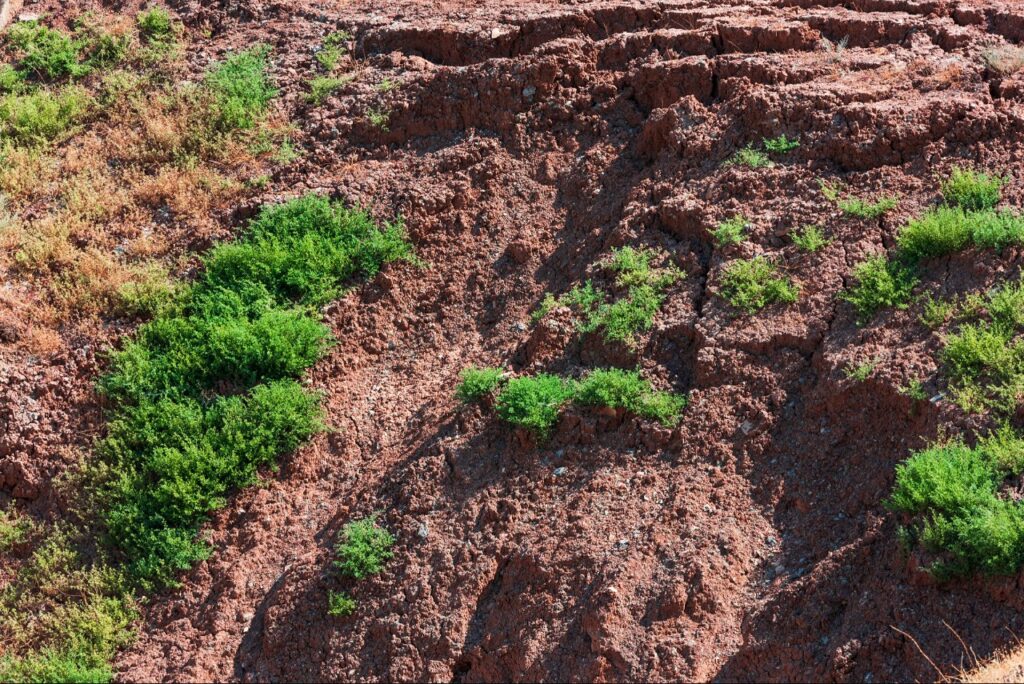
Correcting the grade may be one of the most effective ways to improve drainage in certain landscapes.
Compacted Soil
Compacted soil has fewer air spaces available for water to move through. As a result, rainwater may remain on the surface instead of soaking into the ground.
Compaction can be caused by:
- Heavy foot traffic
- Construction activity
- Vehicles
- Repeated mowing
- Dense clay or heavily compressed soil
When compacted soil contributes to lawn drainage problems, simply adding more water or fertilizer will not solve the issue.
Heavy Florida Rainfall
Florida’s intense storms can deliver large amounts of rain in a short period of time. Even a healthy yard can experience temporary water accumulation after particularly heavy rainfall.
However, if water consistently remains in the same areas, recurring lawn drainage problems may indicate that the property needs a more effective way to manage runoff.
Improper Irrigation
Irrigation systems can also contribute to drainage issues when you poorly adjust them or operate them for too long.
Overwatering may create wet areas that look similar to problems caused by rainfall. A professional evaluation can help determine whether the issue comes from natural runoff, irrigation, or a combination of both.
How Lawn Drainage Problems Affect Your Landscape
Poor drainage can gradually affect more than just the appearance of your lawn.
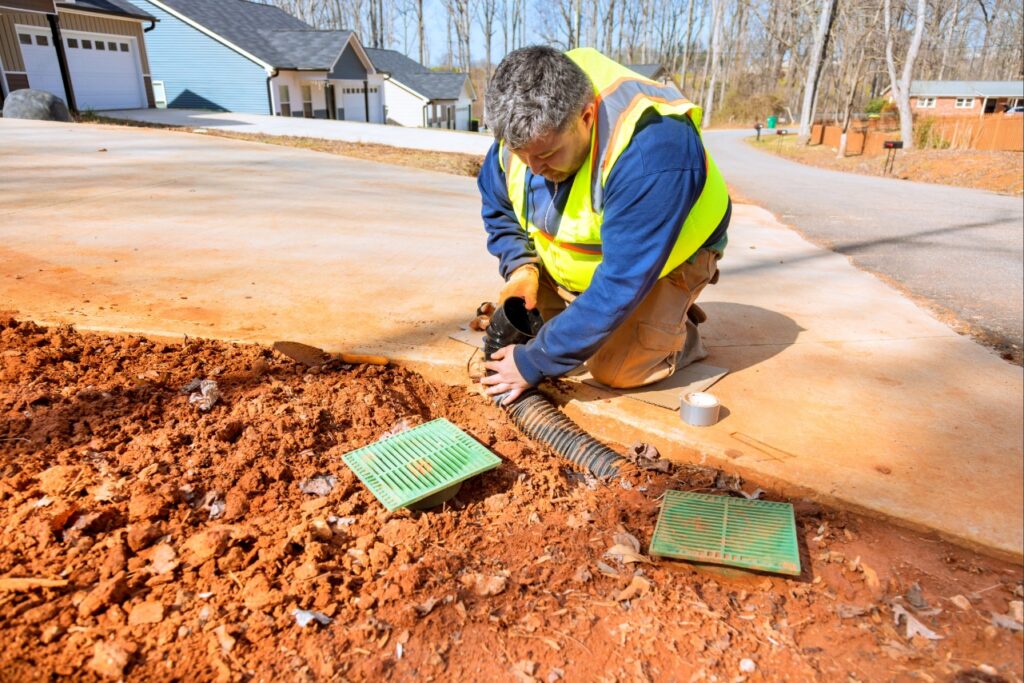
Grass Health
Grass roots need a proper balance of air and moisture. Soil that stays saturated for too long can weaken roots and make turf more vulnerable to disease and other problems.
Plant Health
Many ornamental plants struggle when their roots remain in consistently wet soil. This can lead to root damage, yellowing leaves, poor growth, and plant decline.
Soil Stability
Excess water can wash away soil and mulch, gradually changing the shape and appearance of your landscape.
Outdoor Enjoyment
A soggy or muddy yard is difficult to use. Persistent lawn drainage problems can make it harder to enjoy outdoor areas, walk across the property, or maintain the landscape.
How Professional Landscaping Can Improve Drainage
The right solution depends on the specific cause of the problem. There is no single drainage solution that works for every property.
A professional landscaping team may evaluate the following:
- Where water collects
- How water flows across the property
- The slope and grade of the yard
- Soil conditions
- Existing irrigation
- Nearby structures and hardscapes
- The health of affected grass and plants
Possible improvements may include changes to grading, soil improvements, landscape adjustments, or other methods of managing excess water.
The goal is to address the source of the lawn drainage problems rather than repeatedly repairing the same damaged areas.
Why You Should Address Drainage Issues Early
Small drainage issues can become more difficult to manage over time.
A minor low spot may eventually lead to:
- Larger areas of standing water
- Increased soil erosion
- Damaged turf
- Repeated plant loss
- Washed-out mulch
- Muddy walkways
Addressing lawn drainage problems early can help protect the rest of your landscape and reduce the need for repeated repairs.
How Michel’s Landscaping Can Help
Michel’s Landscaping provides professional lawn care and landscaping services for homeowners in North Port and surrounding communities.
If your property regularly develops standing water, muddy areas, eroded soil, or unhealthy grass after rainfall, our team can help evaluate your landscape and identify potential causes.
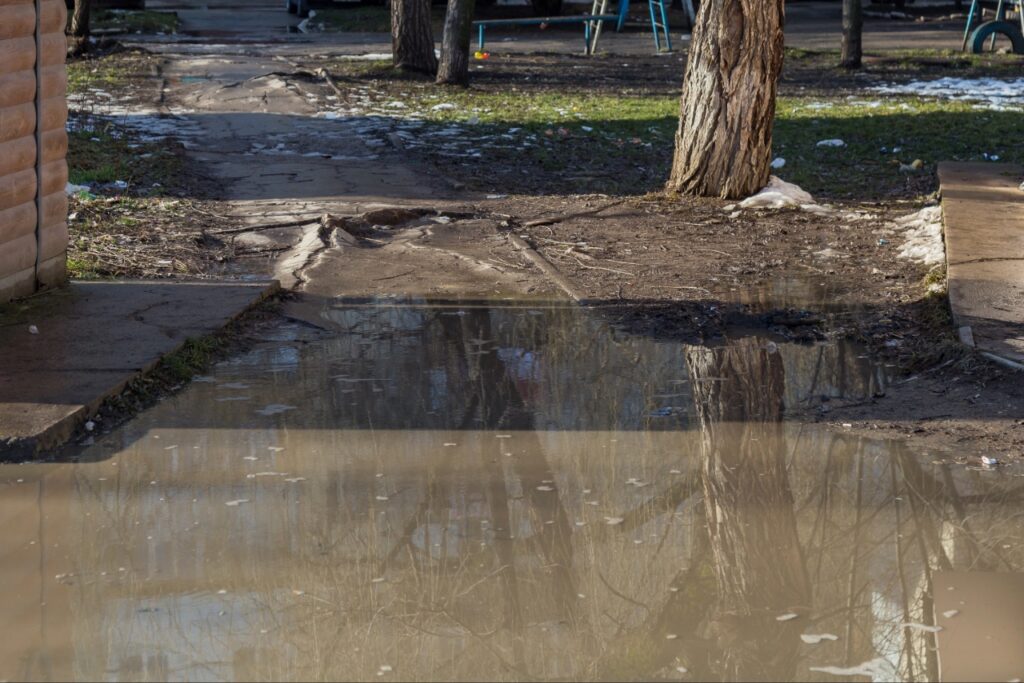
We can help homeowners better understand their lawn drainage problems and determine practical landscaping improvements for their specific property.
A healthier landscape begins with understanding how water moves through your yard.
Conclusion
Recurring standing water, muddy areas, soil erosion, unhealthy grass, and dying plants may all indicate lawn drainage problems. Although Florida’s heavy rainfall can contribute to temporary water accumulation, you should not ignore repeated issues in the same areas.
The right solution depends on your property’s grading, soil, irrigation, landscape design, and existing drainage conditions. Addressing the underlying problem can help protect your lawn, plants, soil, and outdoor living areas.
If your North Port property continues to struggle with excess water, contact Michel’s Landscaping for professional landscaping assistance. Our team can help identify potential causes of lawn drainage problems and recommend practical improvements to create a healthier, more functional outdoor space.
Frequently Asked Questions
What are the most common signs of lawn drainage problems?
Common signs include standing water, muddy areas, yellowing grass, soil erosion, washed-out mulch, dying plants, and water collecting in the same areas after rainfall.
Why does my lawn stay wet after it rains?
A lawn may remain wet because of poor grading, compacted soil, heavy runoff, inadequate drainage, or excessive irrigation. A professional landscaping evaluation can help identify the underlying cause.
Can lawn drainage problems damage grass?
Yes. Excess water can reduce oxygen around grass roots, weaken turf, encourage disease, and eventually cause yellow or thinning areas.
How can I improve drainage in my North Port yard?
The right solution depends on the property. Possible improvements may include correcting grading, improving soil conditions, managing runoff, adjusting irrigation, or making other landscape changes.
Can Michel’s Landscaping help with lawn drainage problems?
Yes. Michel’s Landscaping can evaluate landscape conditions and help North Port homeowners identify potential causes of excess water and recurring lawn drainage problems.