Lawn pests North Port FL homeowners encounter can cause significant damage before an infestation becomes obvious. Small insects may hide within the thatch or soil, while others feed directly on grass blades and roots. By the time visible damage appears, pests may have already established a population.
North Port’s warm climate provides favorable conditions for many insects that can affect residential turf. Homeowners may notice unexplained brown patches, thinning grass, chewed blades, or areas of turf that pull away easily from the soil.
Recognizing these warning signs early can help homeowners respond before the damage spreads. Proper lawn maintenance also plays an important role in keeping turf strong enough to withstand environmental and pest-related stress.
Michel’s Landscaping helps North Port homeowners maintain healthy lawns and attractive landscapes through professional lawn care and landscaping services.
Why Lawn Pests Are a Concern in North Port
Florida’s warm weather allows many lawn insects to remain active for much of the year. Rainfall, irrigation, turf type, thatch buildup, and overall lawn condition can all influence pest activity.
Common turf pests can affect different parts of the lawn. Some feed on grass blades, while others damage roots or attack the plant near the soil surface.
Potential problems include the following:
- Thinning grass
- Brown or yellow patches
- Damaged roots
- Bare areas
- Weakened turf
- Increased susceptibility to other lawn problems
Recognizing the warning signs is a key step in protecting your property.
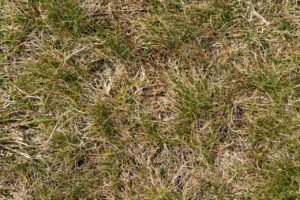
1. Brown Patches Appear Without an Obvious Cause
Brown patches don’t always mean your lawn has a fungal disease.
Insects can also cause sections of turf to turn brown or die. If you have already ruled out irrigation, drainage, and fungal problems, insects may be responsible.
Pay particular attention if brown areas continue expanding despite adequate watering and normal lawn maintenance.
2. Grass Begins Thinning in Certain Areas
Healthy turf should generally maintain relatively consistent coverage.
When lawn pests North Port FL homeowners are dealing with feed on roots or grass blades, affected areas may gradually become thinner.
You may notice:
- Sparse grass
- Small bare patches
- Uneven turf density
- Grass that struggles to recover
- Increasingly weak areas
Localized thinning can be an important warning sign that something is affecting the turf beneath the surface.
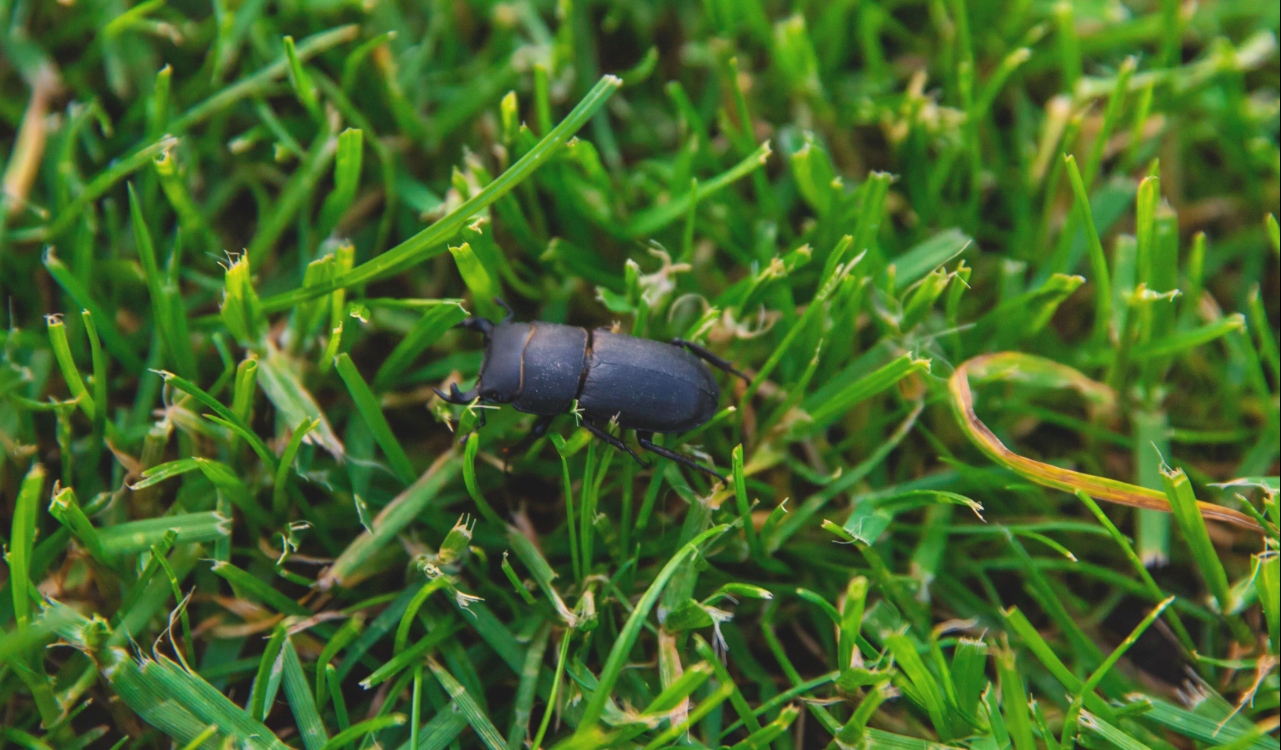
3. You Notice Insects Around the Grass
Sometimes the most obvious warning sign is seeing insects themselves.
Inspect your lawn carefully, particularly around damaged areas and the base of grass plants. Some pests are easiest to find during particular times of day or when turf is disturbed.
Avoid assuming that every insect is harmful, however. Many insects are beneficial or harmless, so identification matters before any control measure is considered.
4. Birds Are Suddenly Spending More Time on Your Lawn
An unusual increase in birds repeatedly feeding in one section of your lawn can sometimes indicate insect activity.
Birds may be attracted to insects living in the soil or thatch layer.
While birds alone don’t prove you have an infestation, their behavior combined with turf damage can be a useful clue worth investigating.
5. Grass Pulls Up Easily
Healthy turf should have an established root system that anchors it firmly to the soil.
If damaged sections pull up unusually easily, insects may have affected the roots.
This is particularly concerning when the surrounding lawn appears healthy while isolated sections are deteriorating.
6. Grass Blades Look Chewed or Damaged
Not every pest attacks the roots.
Some insects feed directly on grass blades, leaving behind visible chewing, ragged edges, or sections of damaged turf.
Inspect the grass closely if you notice unexplained blade damage.
7. The Same Areas Keep Getting Damaged
Recurring damage in the same areas deserves attention.
If sections of your lawn repeatedly develop brown patches or thinning grass despite appropriate watering and maintenance, an underlying pest issue may be contributing to the problem.
Other possibilities, including fungal disease, drainage issues, soil compaction, or irrigation problems, should also be considered.
8. Your Lawn Suddenly Looks Stressed
Sometimes pest damage doesn’t produce one dramatic symptom.
Instead, the entire affected section may simply look weaker than the rest of the property.
You might notice:
- Dull-colored grass
- Slow growth
- Uneven texture
- Thin turf
- Increased bare spots
When these symptoms appear unexpectedly, inspect the lawn carefully before assuming the problem is simply lack of water.
9. Damage Gets Worse Despite Normal Lawn Care
If you’re mowing correctly, providing appropriate irrigation, and maintaining your lawn but the damage continues, pests may be one possible explanation.
However, proper identification is important because different lawn problems can produce similar symptoms.
A professional evaluation can help determine whether insects are actually responsible and what steps you should take next.
Common Lawn Pests That Can Affect Florida Turf
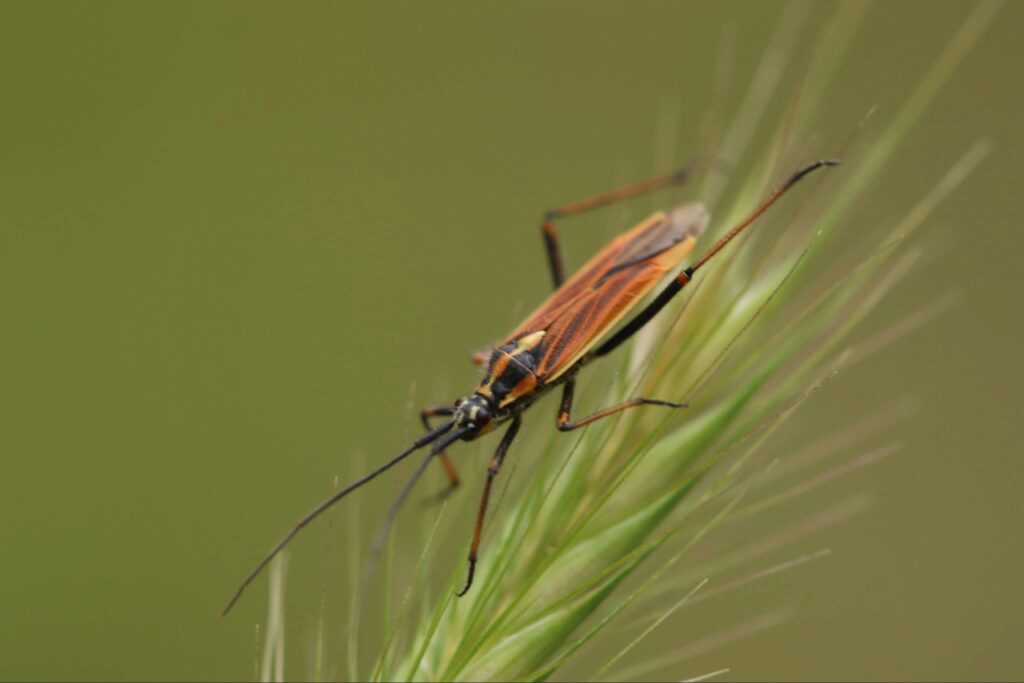
Not every insect found in your yard is harmful. In fact, many insects are beneficial and contribute to a healthy landscape. The key is determining whether a particular insect is actually damaging your turf.
Chinch Bugs
Chinch bugs are among the important turf pests Florida homeowners should recognize. They feed on grass and can cause irregular areas of yellowing and browning.
Damage may become more noticeable during hot, dry conditions, particularly in stressed turf.
Sod Webworms
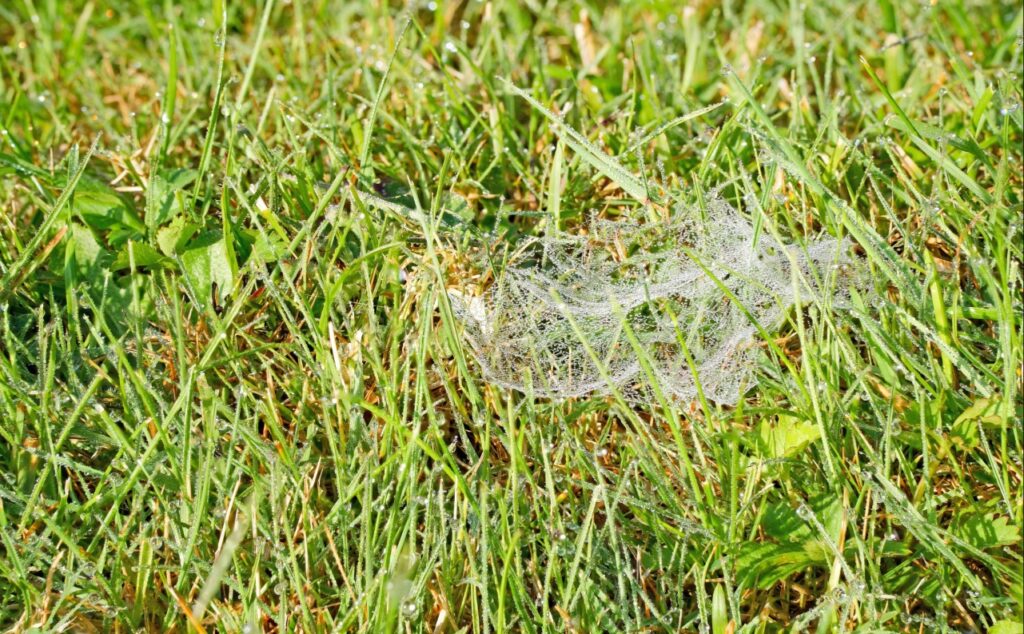
Envato Search: sod webworm grass lawn damage close up turf
Sod webworm larvae feed on grass blades and can create irregular patches of damaged or thinning turf.
One clue can be finding small pieces of chewed grass or noticing moths flying close to the lawn when disturbed.
Mole Crickets
Mole crickets can damage turf by feeding on roots and creating tunnels through the soil. Their activity can weaken grass and contribute to thinning or bare areas.
Because these insects spend much of their time underground, damage may become visible before the pest itself is discovered.
Billbugs and Other Turf Insects
Other insects can also affect Florida lawns depending on the grass variety, season, and conditions on the property.
This is why identifying the actual pest is more useful than simply treating every brown or thinning area as an insect infestation.
How to Inspect Your Lawn for Pests
You don’t need specialized equipment to perform an initial inspection.
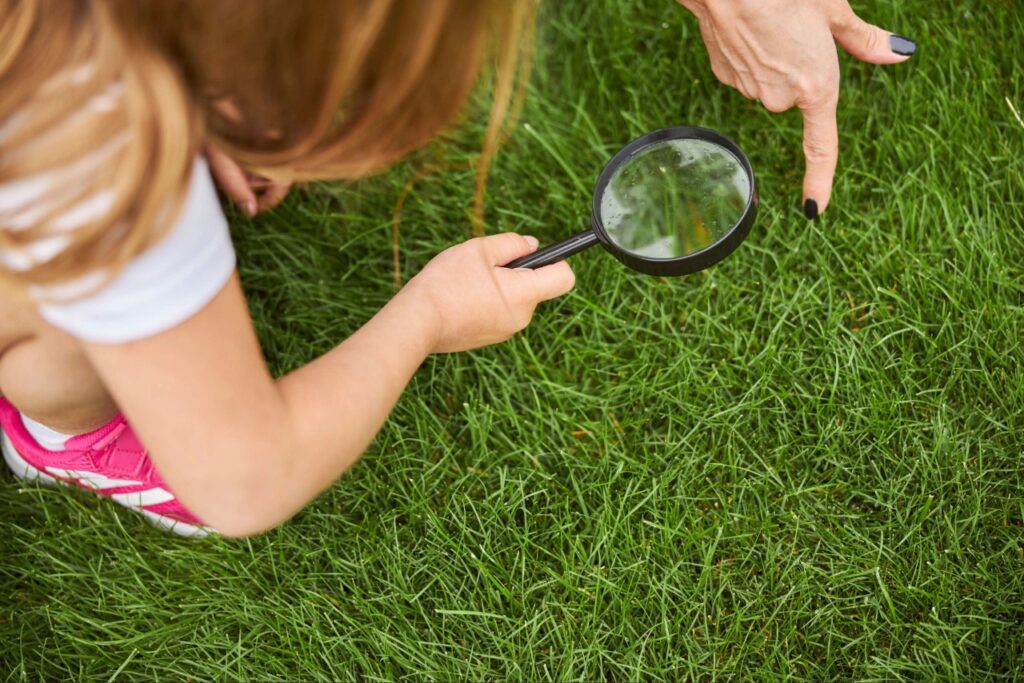
Start by examining areas where damage is most noticeable.
Check the grass blades.
Look closely at the affected grass for the following:
- Chewed blades
- Discoloration
- Small insects
- Unusual spots
- Webbing or debris
A magnifying glass can help when insects are minimal.
Inspect the Thatch Layer
Gently separate the grass near the soil surface and examine the thatch layer.
Some insects remain close to the surface, where they can be easier to identify.
Check the Soil and Roots
If turf is thinning or pulling up easily, examine the roots and soil underneath.
Root damage can indicate that an insect is feeding below the surface.
Compare Healthy and Damaged Areas
Comparing an affected section with healthy turf nearby can make unusual changes easier to identify.
Look for differences in:
- Root density
- Grass color
- Soil moisture
- Insect activity
- Turf thickness
How to Help Prevent Lawn Pest Problems
There isn’t a single maintenance practice that prevents every insect problem. However, maintaining healthy turf can make your lawn more resilient.
Maintain Appropriate Irrigation
Too little water can stress grass, while excessive irrigation can contribute to other lawn problems.
Your watering schedule should account for rainfall, grass type, soil conditions, and seasonal weather.
This is particularly important when dealing with lawn pests North Port FL homeowners may encounter during hot weather.
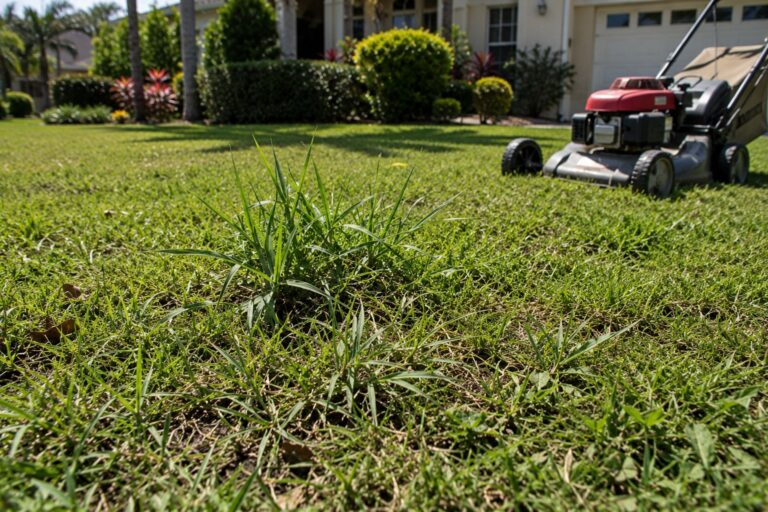
Mow at the Appropriate Height
Avoid cutting too much of the grass blade at once.
Maintaining the appropriate mowing height for your specific turf variety helps reduce unnecessary stress and supports stronger growth.
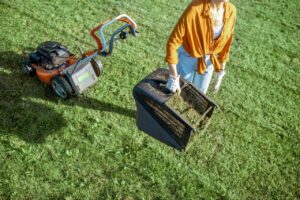
Keep mower blades sharp as well. Dull blades can tear grass instead of producing clean cuts.
Avoid Excessive Fertilization
More fertilizer isn’t necessarily better.
Applying excessive amounts can contribute to unhealthy growth and may create other problems in the landscape.
Follow recommendations appropriate for your specific grass type and local conditions.
Address Drainage Issues
Excess water can weaken turf and contribute to an environment where other lawn problems become more difficult to manage.
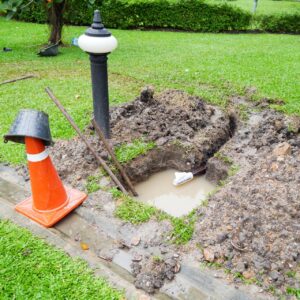
If your property has persistent drainage issues, address the underlying water-management problem rather than repeatedly treating the visible symptoms.
This section also connects with the previous article in this content cluster about lawn drainage problems.
Keep the Lawn Healthy
A consistent lawn maintenance program helps keep turf vigorous.
Proper mowing, irrigation, fertilization, and monitoring can make it easier to identify changes before they become widespread.
Don’t Automatically Treat Every Insect
One of the most important things homeowners can do is avoid treating an insect problem before identifying the insect.
Some insects found in lawns are beneficial predators that feed on other pests. Eliminating them unnecessarily can disrupt the natural balance of your landscape.
Before using an insecticide or other treatment, determine:
- What insect is present?
- Is it actually damaging the lawn?
- How extensive is the damage?
- Is treatment necessary?
- What treatment is appropriate for that particular pest?
This approach is safer for your landscape and helps avoid unnecessary applications.
When Should You Call a Professional?
Consider getting professional assistance when:
- Damage is spreading quickly
- Large sections of turf are declining
- You cannot identify the cause
- The same problem returns repeatedly
- DIY treatments haven’t worked
- You’re unsure whether insects are responsible
Professional lawn care providers can inspect the turf, consider other possible causes, and help determine the most appropriate next step.
For homeowners dealing with lawn pests North Port FL, accurate identification should come before choosing a treatment.
Why Choose Michel’s Landscaping?
Michel’s Landscaping provides lawn care and landscaping services for homeowners in North Port and surrounding communities.
Our team knows that lawn problems can have multiple causes. Insects, fungal diseases, irrigation, drainage, soil conditions, and maintenance practices can all affect turf health.
That’s why identifying the underlying issue is important.
If your lawn is developing unexplained brown patches, thinning areas, or recurring damage, Michel’s Landscaping can help evaluate the condition of your property and recommend appropriate lawn care solutions.
A healthy lawn starts with consistent maintenance and early attention when something changes.
Conclusion
Brown patches, thinning grass, damaged blades, and unexplained turf decline can all be warning signs of lawn pests North Port FL homeowners may encounter. However, insects aren’t always the cause. Fungal diseases, drainage problems, irrigation issues, soil conditions, and other factors can produce similar symptoms.
The best approach is to inspect the affected areas carefully and identify the underlying cause before applying a treatment.
Maintaining proper irrigation, mowing correctly, monitoring the lawn, and addressing drainage issues can help support healthier turf. When damage continues or spreads, professional evaluation can help determine whether pests are responsible and what should happen next.
Michel’s Landscaping helps North Port homeowners maintain attractive, healthy lawns through professional lawn care and landscaping services. If you notice unusual turf damage, contact the team for help evaluating your lawn.
Frequently Asked Questions
What are common lawn pests in North Port, FL?
Common turf pests in Florida include southern chinch bugs, tropical sod webworms, mole crickets, and other insects that can damage grass. The specific pests affecting a lawn can depend on the turfgrass variety and local growing conditions. UF/IFAS notes that southern chinch bugs particularly affect St. Augustinegrass, for example.
How can I tell if insects are damaging my lawn?
Brown patches, thinning grass, damaged blades, weakened roots, and turf that pulls up easily can be warning signs. However, these symptoms can also result from fungal diseases, irrigation problems, drainage issues, or other causes, so identifying the actual problem is important.
Should I treat every insect I find in my lawn?
No. Not every insect is harmful. Some insects are beneficial predators or simply have no significant impact on your turf. Identifying the insect and determining whether it is actually causing damage should come before choosing a treatment.
How can I prevent lawn pest problems?
Maintaining healthy turf through appropriate mowing, irrigation, fertilization, and regular monitoring can help. Addressing drainage issues and investigating unusual changes early can also make it easier to identify problems before they become widespread.
When should I call a professional for lawn pest problems?
Consider professional help when turf damage is spreading, recurring, difficult to identify, or not improving with normal lawn maintenance. A professional evaluation can help distinguish insect damage from fungal disease, irrigation problems, drainage issues, and other causes.