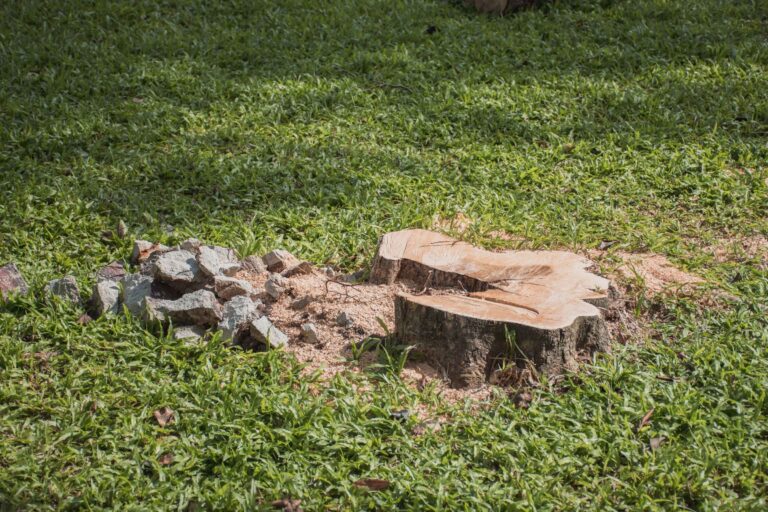
Yard grading North Port homeowners are considering should begin with understanding why water collects in certain areas after rainfall. A puddle that appears after a heavy storm doesn’t automatically mean the ground needs to be reshaped. However, recurring standing water may indicate drainage patterns or low areas that deserve closer evaluation.
In North Port, Florida, heavy seasonal rainfall, sandy soil, and existing landscape features can influence how water moves across a property. While some wet areas may be associated with the shape of the ground, others could involve irrigation, runoff from nearby surfaces, or recent landscape changes.
Before adding soil or changing the yard’s elevation, it helps to document where water collects, how often it returns, and whether it affects walkways, landscaping, or areas near the home.
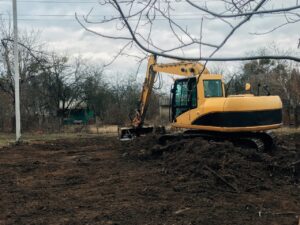
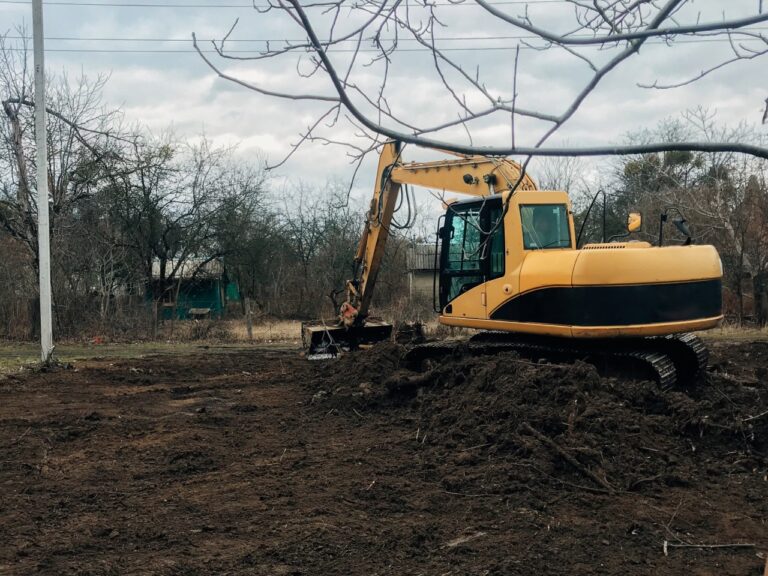
Michel’s Landscaping provides grading through its skid steer services, along with excavation, hauling, and related landscaping work for residential and commercial properties in North Port and surrounding Southwest Florida communities.
This guide explains seven warning signs worth discussing, when yard grading may be appropriate, what other issues should be checked first, and which questions to ask before approving soil reshaping.
Yard Grading North Port: Start by Tracking Standing Water
A few observations can make a site evaluation more useful. You do not need to diagnose the problem yourself or measure elevations. Focus on what you can see safely from accessible areas.
After rainfall, note:
- Location: Does water collect in one depression, along a walkway, beside the house, or across a larger part of the yard?
- Recurrence: Does the same area collect water repeatedly, or was this an isolated event?
- Duration: Take photos after the rain ends and again later to show whether the area is improving.
- Apparent source: Is roof runoff entering the area? Does water appear to move toward it from another part of the property?
- Recent changes: Has there been landscaping, construction, equipment traffic, or a change to an outdoor surface nearby?
- Practical impact: Is the water blocking access, leaving a frequently used area muddy, or making maintenance difficult?
There is no single waiting period that establishes whether every yard needs grading. Rainfall, soil conditions, and the site layout all need consideration. Water entering a building should be treated as a more immediate concern rather than something to monitor through several more storms.
When Should You Consider Yard Grading After Rain?
Grading involves reshaping soil. Michel’s Landscaping offers grading through its skid steer services, alongside excavation, hauling, and debris removal. Whether reshaping is appropriate for a particular yard requires a site-specific evaluation.
These situations are reasons to discuss grading—not proof that it is the only solution.
Water repeatedly collects in an apparent low area
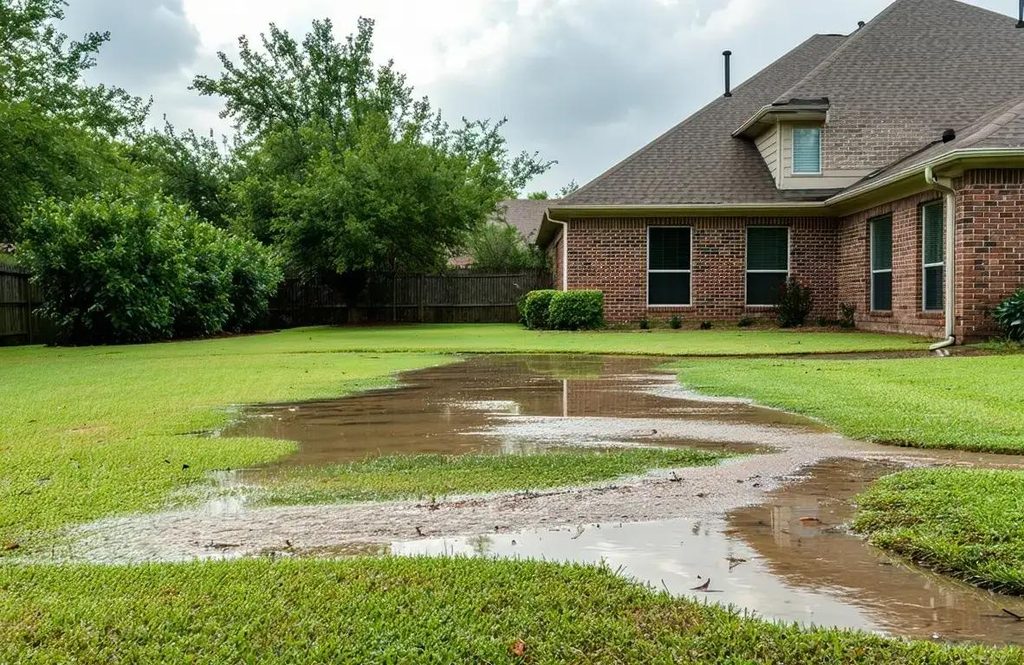
A depression that collects water after multiple rain events is worth assessing. The important issue is how that spot relates to the surrounding ground. Adding soil without looking beyond the puddle may leave the underlying water-management question unresolved.
The ground appears to direct runoff toward an unwanted area
If you notice water moving toward the house, a walkway, or another frequently used space, explain that pattern during the evaluation. A grading discussion should consider both the collection point and the route water takes to reach it.
Do not assume that raising one section of the yard will create an appropriate route elsewhere. Nearby structures, property boundaries, and surrounding elevations matter.
Understanding where rainwater travels is an important part of evaluating recurring standing water. The EPA’s stormwater management resources explain approaches to managing runoff and allowing water to soak into appropriate areas. Any proposed grading work should consider where the water will move afterward, not simply eliminate one visible puddle.
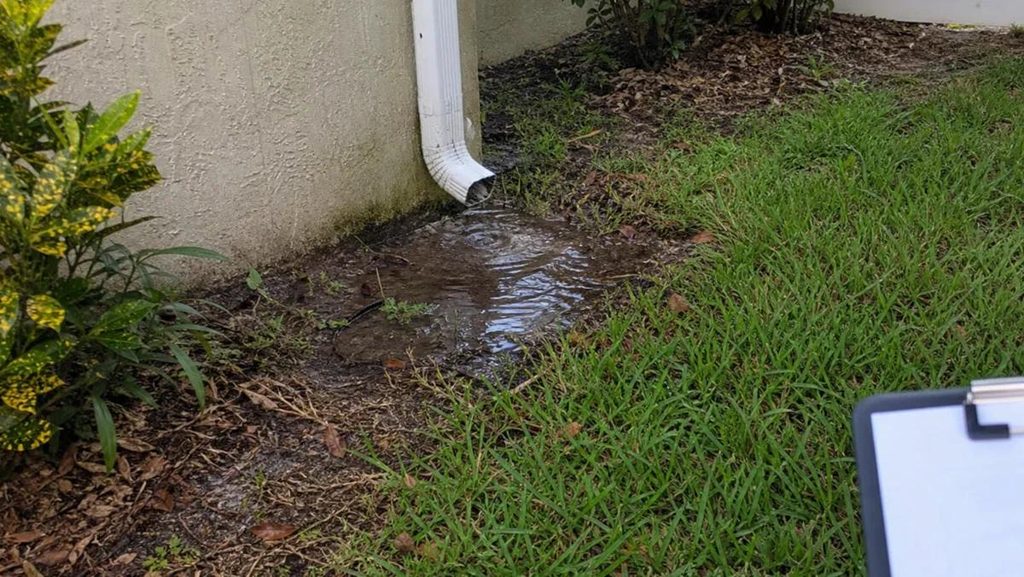
You are planning improvements in an already wet area
Before installing new sod, renovating landscape beds, or creating another outdoor feature, bring up recurring standing water. It is better to evaluate the ground conditions during planning than to treat a new surface as the drainage solution.
For an existing yard, skid steer grading services are a relevant starting point for discussing soil reshaping. House pad grading is a separate site-preparation service and should not be treated as interchangeable with every residential yard correction.
Before installing new sod or redesigning planting beds, consider how the area’s existing moisture conditions may affect the project. UF/IFAS Gardening Solutions provides Florida-specific landscaping information that can help homeowners understand soil, planting, and landscape maintenance considerations.
When Standing Water May Have Another Cause
Standing water can warrant investigation without requiring broad changes to the yard. Before committing to grading, ask whether something more localized needs attention.
Irrigation is adding water to the same spot
If the area stays wet even when it has not rained, include irrigation in the evaluation. Note whether wetness changes with the watering schedule or appears near irrigation components. Michel’s Landscaping offers irrigation setup, repair, and optimization, so you can raise those concerns alongside the grading question.
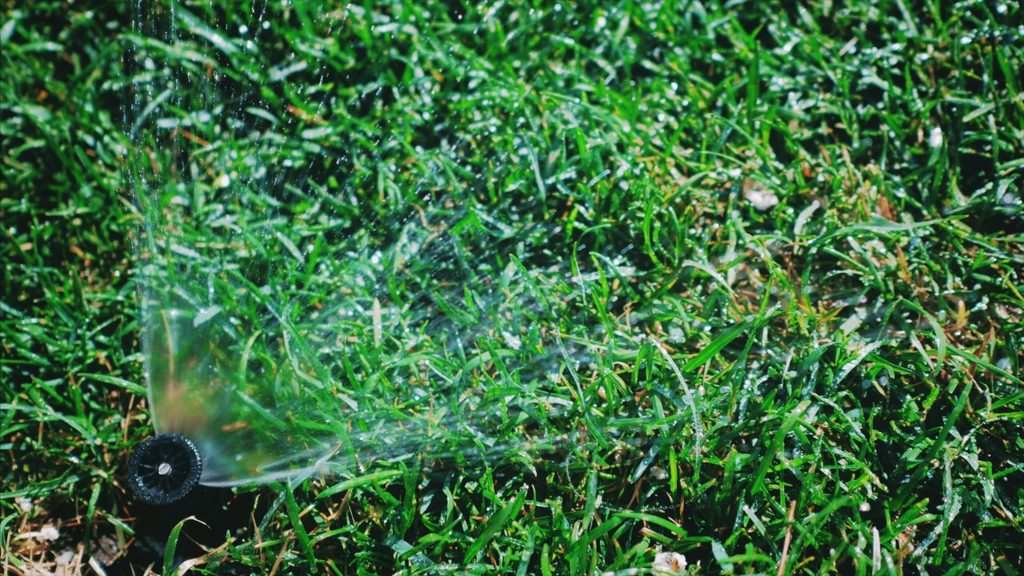
Water collects beside a landscape feature
Where puddles sit against edging, a bed, or a solid surface, ask whether that feature affects the water’s path. Do not remove or alter it based only on appearance; the relationship between the feature and the surrounding ground needs assessment.
The issue appeared after other work
Explain what changed and when. Recent soil disturbance or landscape installation is useful context, but timing alone does not establish the cause. Photos from before the work, if available, can help communicate what you have noticed.
7 Warning Signs That Your Yard May Need a Grading Evaluation
Not every wet lawn needs grading. However, recurring drainage patterns can indicate that the ground’s shape is contributing to the problem.
If you’re considering yard grading in North Port, these seven observations can help you decide when to request a site evaluation.
1. Water Collects in the Same Low Spot After Multiple Storms
A puddle that repeatedly forms in the same location may indicate a depression or an area where surrounding surfaces direct water.
Document the pattern after different rainfall events. An installer can then evaluate whether the ground’s shape contributes to the recurring accumulation.
2. Rainwater Appears to Move Toward Your Home
Water that consistently travels toward a house, garage, or other structure deserves attention.
Observe the pattern from a safe location and note where the water appears to originate.
A grading evaluation should consider the surrounding elevations and whether an appropriate drainage route exists.
If water is entering the building, treat that as a more immediate concern.
3. Walkways or Frequently Used Areas Remain Wet
Standing water that regularly blocks a walkway, patio access route, or another frequently used area can interfere with daily activities.
Ask whether the problem involves a low section of ground, nearby hardscape, or another drainage condition.
4. Your Lawn Develops Repeated Muddy Areas
A lawn that remains muddy in the same location after repeated rain events may warrant further investigation.
The issue could involve surface elevations, concentrated runoff, irrigation, soil conditions, or a combination of factors.
Avoid assuming that adding topsoil will resolve the underlying problem.
5. Water Collects Along Landscape Borders
Edging, raised planting beds, walkways, and other landscape features can influence how surface water moves.
If standing water repeatedly collects beside one of these features, include it in the site evaluation.
The solution may involve a localized adjustment rather than broad grading work.
6. Drainage Problems Appeared After Property Improvements
Changes to patios, walkways, landscaping, or other outdoor surfaces can affect how water travels across a property.
If standing water began appearing after construction or landscaping work, document the timing and location.
That information may help the evaluator understand the existing conditions, although it does not establish the cause by itself.
7. Standing Water Is Affecting Planned Landscape Improvements
If you plan to install new sod, redesign planting beds, or improve an outdoor living area, recurring standing water should be addressed during planning.
A new lawn or landscape feature should not be expected to correct an unresolved drainage problem.
Discuss whether grading, irrigation adjustments, or another site-specific solution should be considered before the improvement begins.
Standing Water: Is Grading the Right Starting Point?
| What you observe | Possible issue to evaluate | Recommended discussion |
|---|---|---|
| Repeated puddle in a low area | Surface elevation or runoff pattern | Would grading help, and where would water move? |
| Wet lawn without recent rainfall | Irrigation or another water source | Should irrigation be checked first? |
| Water beside a downspout | Concentrated roof runoff | Does runoff management need attention? |
| Water against landscape edging | Localized obstruction or surface elevations | Would a localized correction be appropriate? |
| Puddles after new landscaping | Changed surface conditions | What changed, and how does it affect runoff? |
| Water near the house | Surface drainage or another building-related concern | Is a broader drainage evaluation needed? |
| Water across a large portion of the yard | Multiple possible site conditions | Is a comprehensive site assessment appropriate? |
This comparison identifies possible areas for investigation. It does not diagnose the cause of standing water or establish that grading is the correct solution.
What These Warning Signs Mean
These observations do not prove that grading is necessary. They identify situations where the property’s drainage patterns deserve closer attention.
A useful evaluation should consider where the water originates, how the surrounding ground is shaped, and where water would move after any proposed changes.
For North Port homeowners, the goal is to understand the cause before selecting the work.
What to Ask Before Approving Yard Grading Work
A grading proposal should connect the proposed work to the observed problem. Ask these questions before deciding on a scope:
- Which areas would be reshaped, and why? Understand whether the recommendation concerns one depression or a broader section of the property.
- Where is water intended to move afterward? The discussion should extend beyond removing the visible puddle.
- What existing features need protection or coordination? Identify irrigation, trees, planted beds, walkways, and equipment access constraints.
- What is included after soil work? Clarify hauling, debris removal, and any landscape restoration rather than assuming they are bundled together.
- Are there unresolved site requirements? Ask whether further evaluation or coordination is needed before work begins.
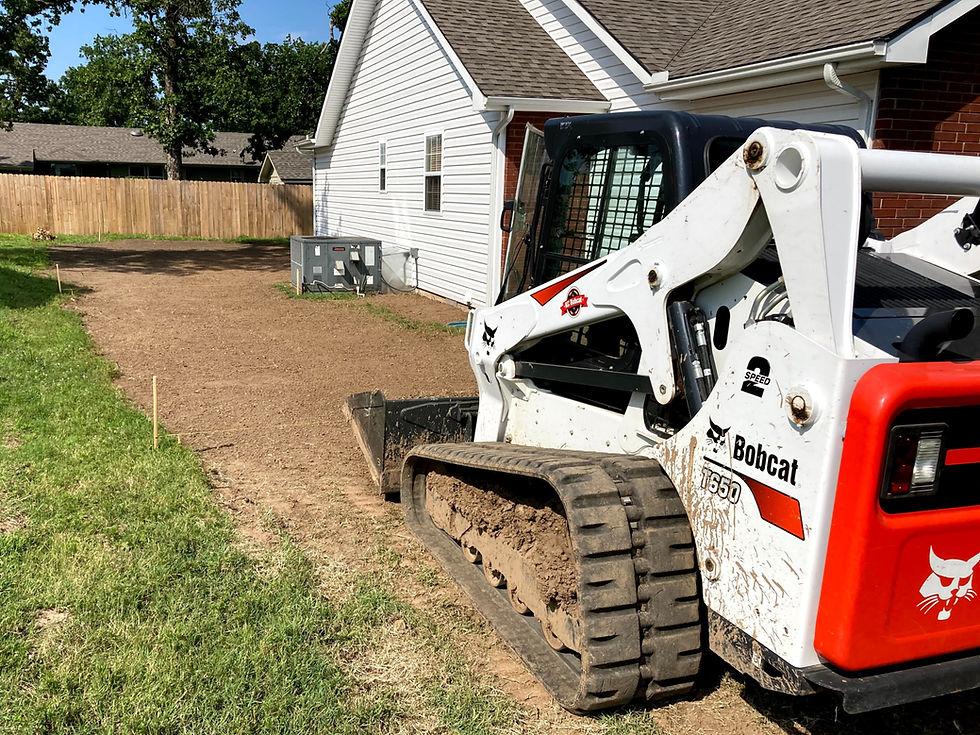
Do not assume that reshaping soil alone can resolve every drainage concern. If the cause or an appropriate water route remains uncertain, the next step is further evaluation—not a guaranteed outcome.
Before changing ground elevations or altering established drainage paths, ask whether local requirements apply. Charlotte County Public Works is one starting point for identifying county drainage and right-of-way concerns. Requirements can depend on the property’s jurisdiction and proposed scope, so confirm them with the appropriate authority.
Common Yard Grading Mistakes to Avoid
When dealing with recurring standing water, it can be tempting to start moving soil immediately. However, changing the ground without understanding existing drainage patterns may create new problems.
Filling a Low Spot Without Considering Water Movement
Adding soil may eliminate a visible depression, but the water still needs an appropriate place to go.
Before approving fill work, ask how the proposed changes will affect surrounding areas and existing drainage paths.
Assuming Sandy Soil Prevents Standing Water
North Port properties may have sandy soil, but that doesn’t mean every yard drains quickly or evenly.
Compaction, soil layers, groundwater conditions, rainfall intensity, and surface elevations can influence how water behaves.
The appropriate solution depends on actual site conditions rather than soil type alone.
Ignoring Irrigation Problems
If an area remains wet between rain events, irrigation may need to be evaluated.
Reshaping the yard without investigating an ongoing water source could leave the original problem unresolved.
Changing Elevations Without Considering Nearby Properties
Grading should account for property boundaries, neighboring areas, structures, and existing drainage features.
Ask where water is intended to move and whether the proposed work requires additional review or approval.
Installing New Sod Before Addressing Recurring Water Problems
New sod can improve the appearance of a lawn, but it should not be treated as a substitute for drainage evaluation.
If the area repeatedly collects water, discuss the problem before investing in new landscaping.
Comparing Quotes Without Reviewing the Scope
Two grading proposals may describe different amounts of excavation, soil movement, hauling, or landscape restoration.
Ask each provider to explain the areas being changed, the intended result, and what work is included.
A clear scope helps you understand what is being proposed without assuming that every drainage concern will be resolved.
Frequently asked questions
-
Can I simply add soil to a puddle in my yard?
Avoid treating a recurring puddle as an isolated hole. First assess the surrounding ground and where water would go after the spot is raised. Filling may be part of a plan, but the puddle alone does not establish the right scope.
-
Will new sod fix standing water?
New sod should not be treated as a substitute for evaluating recurring standing water. Discuss the wet area before installation so site preparation and any necessary soil reshaping can be considered together.
-
Does every wet yard need house pad grading?
No. House pad grading is a distinct service involving site evaluation, grading planning, soil shaping, layered compaction, and drainage considerations. An existing yard’s needs should be evaluated based on its specific conditions.
-
What should I prepare before requesting an evaluation?
Gather photos, note how the water changes after rain, describe recent property work, and identify affected irrigation or landscape features. Also explain how you want to use the area.
-
How long should standing water remain before I consider yard grading?
There is no universal number of hours that proves a yard needs grading. The amount of rainfall, soil conditions, existing drainage paths, and frequency of the problem all matter. If water repeatedly collects in the same location or interferes with access, landscaping, or nearby structures, consider requesting a site evaluation rather than relying on a fixed waiting period.
Discuss Yard Grading in North Port With Michel’s Landscaping
Recurring standing water can make a yard difficult to maintain and interfere with landscaping, walkways, and everyday property use.
However, not every puddle requires soil reshaping. Before considering yard grading in North Port, it is important to understand where water collects, how often the problem occurs, and whether irrigation, runoff, or other site conditions may be contributing.
Documenting the pattern after rainfall can help explain the problem during an on-site evaluation. Photographs, observations about water movement, and details about recent landscaping changes are all useful starting points.
If grading is recommended, ask which areas will be reshaped, where water is intended to move, and what related cleanup or landscape restoration is included.
Michel’s Landscaping provides grading through its skid steer services, along with excavation, hauling, and other outdoor property services for residential and commercial properties in North Port and surrounding Southwest Florida communities.
If recurring standing water is affecting your property, Get a Quote from Michel’s Landscaping to discuss the conditions you’ve observed and the appropriate next steps.
The goal is to address the cause of the problem—not simply cover up the puddle.