Lot clearing vs house pad grading North Port: What’s the difference, and why might your building project need both? Preparing land for a new home involves more than removing trees, brush, and debris. While lot clearing opens the designated work area, house pad grading focuses on shaping and preparing the ground where the home will be built.
For North Port property owners, understanding these two services can help prevent confusion when requesting estimates or coordinating construction work. A cleared lot may look ready for development, but that doesn’t necessarily mean the soil has been properly prepared for the proposed home.
Michel’s Landscaping provides lot clearing, forest clearing, house pad grading, and related land preparation services in North Port and surrounding Southwest Florida communities. This guide explains the differences between clearing and grading, why both may be necessary, and five important considerations when preparing a residential building site.
Lot Clearing vs House Pad Grading North Port: Key Differences
Lot clearing opens the area for its intended use
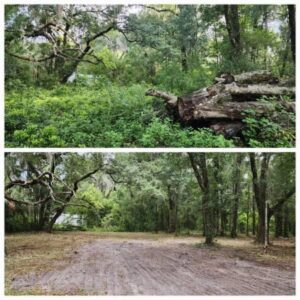
Lot clearing focuses on removing vegetation and other material from the agreed work area. The scope should identify what stays, what goes, and how removed material will be handled.
Not every project calls for clearing an entire parcel. A property owner may want to retain trees or vegetation outside the planned construction area. Michel’s Landscaping offers lot clearing and forest clearing services, including selective clearing and larger land preparation projects.
Land preparation can also affect the soil beyond the immediate building footprint. According to UF/IFAS guidance on residential soil assessment, clearing, heavy equipment, and imported fill can change soil conditions. Understanding the existing site is therefore important when planning both construction work and the landscaping that follows.
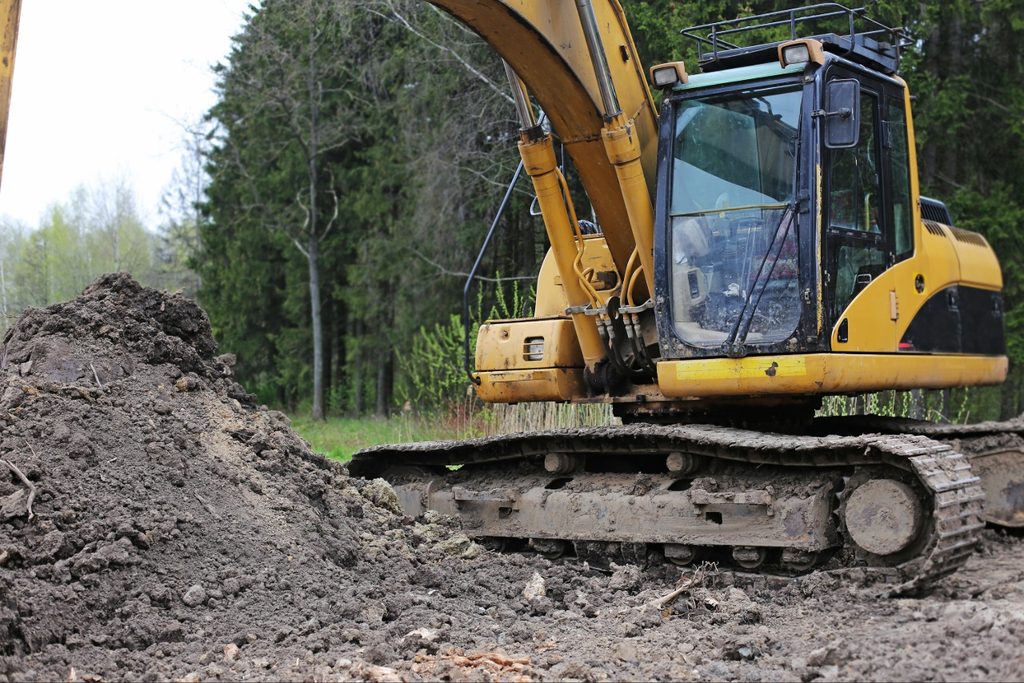
Before comparing clearing estimates, clarify whether the proposed work includes tree removal, stump removal, debris hauling, and any additional ground preparation. Do not assume that every task associated with preparing a building site is included under “clearing.”
House pad grading prepares the planned home area
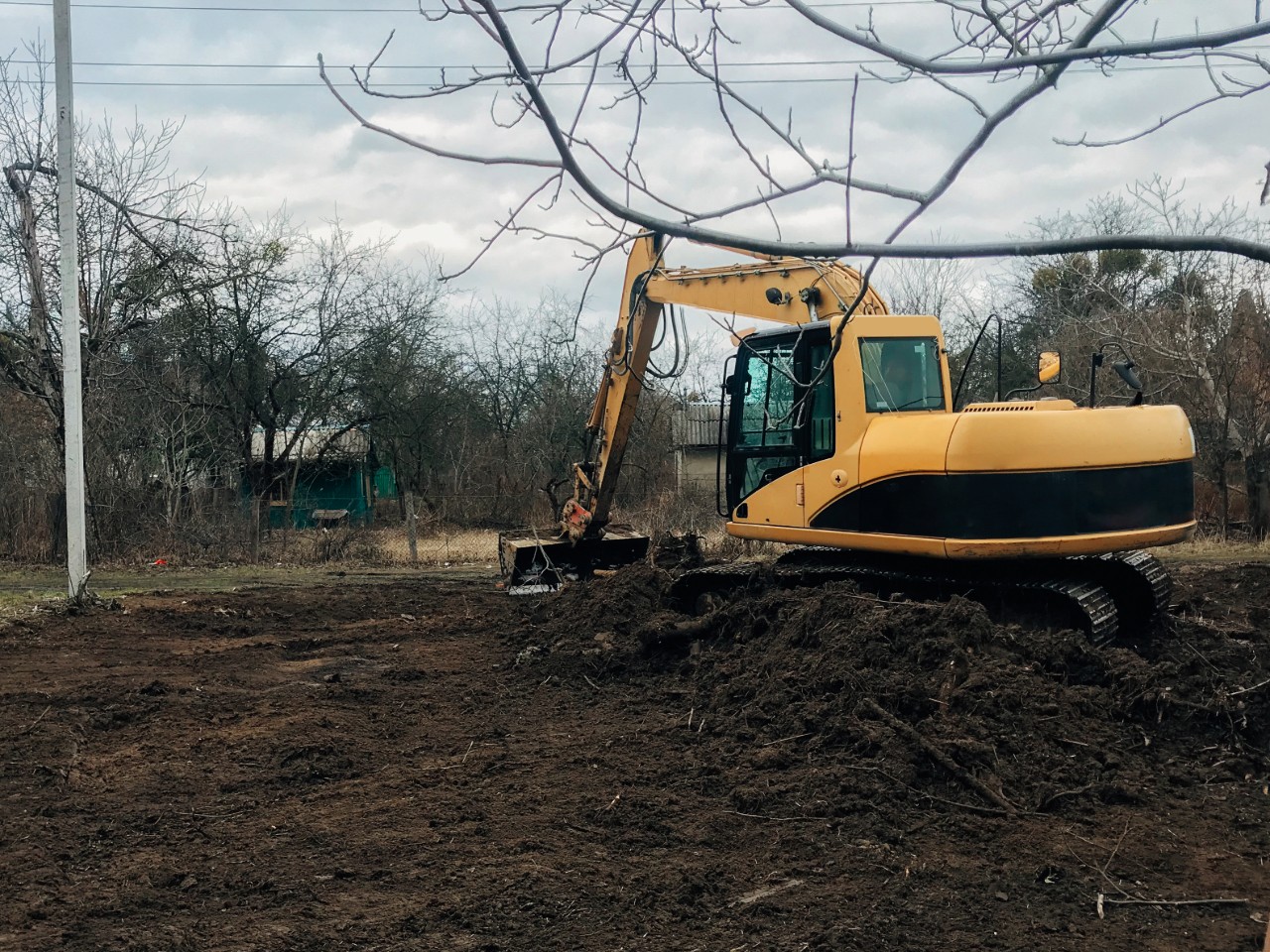
House pad grading focuses on shaping and preparing soil in the area intended for the home. Michel’s Landscaping’s house pad grading services include site evaluation, grading planning, soil shaping, layered compaction, and drainage considerations.
Those are different tasks from removing vegetation. A site can look open while still needing soil preparation and grading work. Likewise, clearing alone does not establish that the site meets the requirements of a particular building plan.
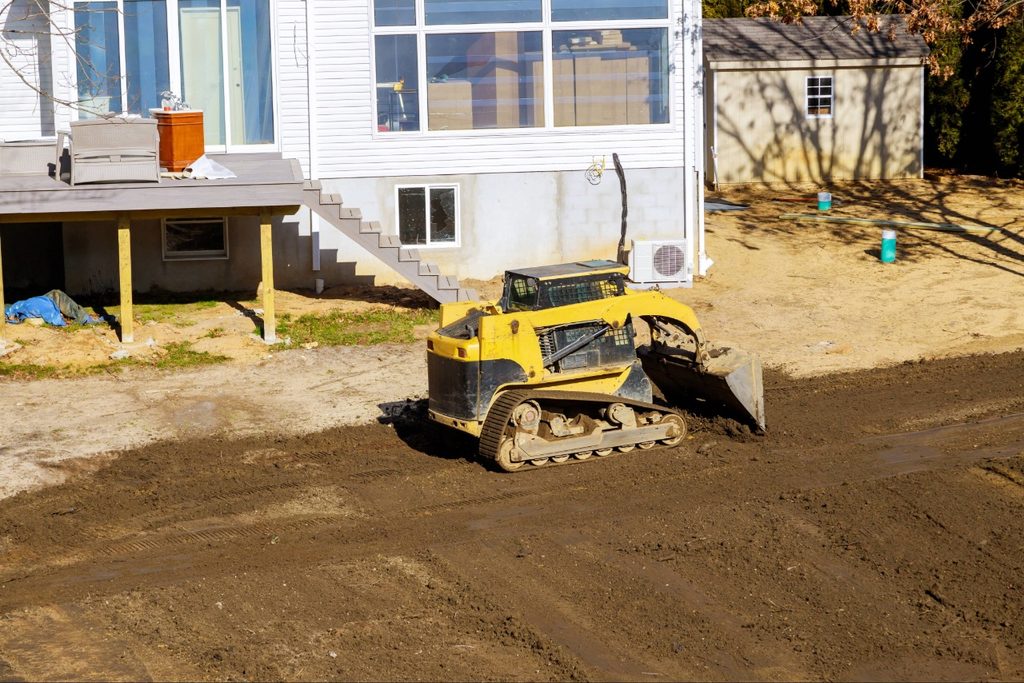
The grading scope should be coordinated with the project’s plans and the people responsible for construction. It should not be treated as a substitute for project-specific design requirements or required approvals.
Why a building site may need both
Consider the two decisions separately:
- What must be removed? Identify vegetation, stumps, debris, and other obstacles within the proposed work area.
- How must the ground be prepared? Identify the soil shaping, compaction, and drainage considerations associated with the planned house pad.
If a lot has vegetation where the home will go, clearing may be needed before pad preparation can proceed. Once the work area is accessible, grading addresses a different part of the project: preparing the ground for its intended use.
Neither service automatically replaces the other. Removing trees does not complete soil shaping or layered compaction. Grading should not be assumed to include every tree, stump, or debris-removal task across the parcel.
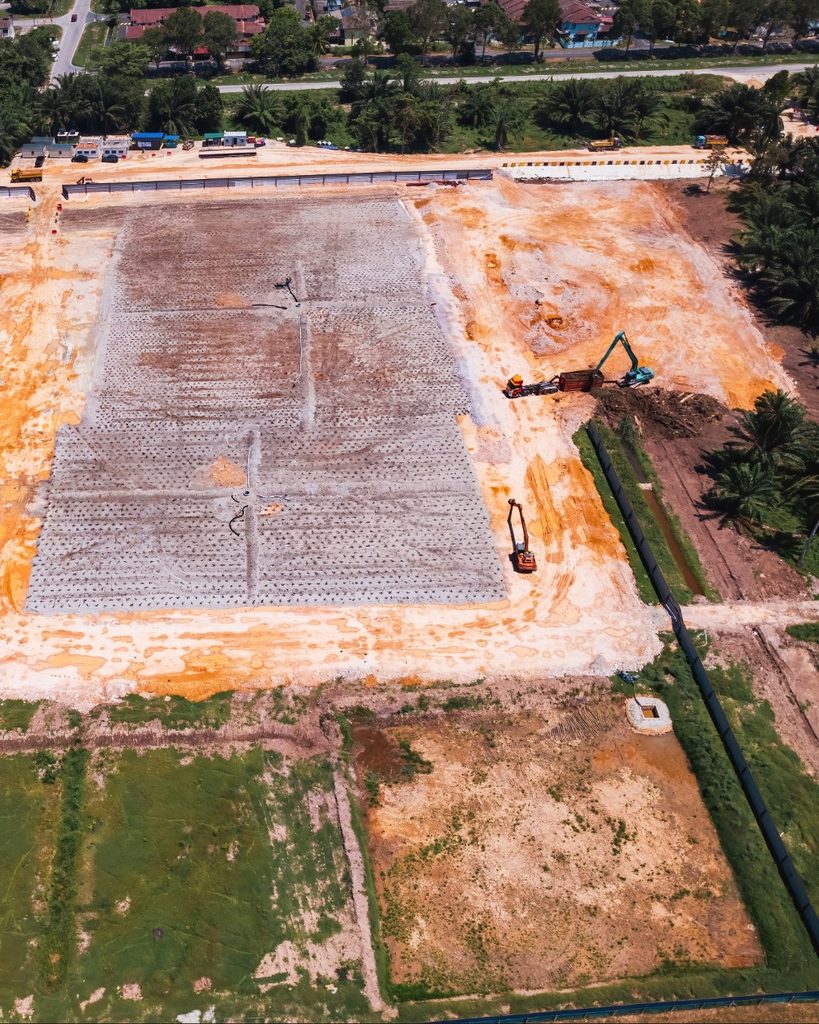
This distinction also matters when the land was cleared previously. An open appearance is not enough to determine what preparation is still needed. The existing site should be evaluated against the current project plans rather than judged only by how tidy or level it looks.
Start with the building plans, not just the lot boundary
Before requesting a scope of work, gather the information you already have about the proposed home and property layout. A useful discussion starts with where the work belongs and what the next phase requires.
Helpful items to share include:
- The proposed home location and any available site or grading plans.
- The area intended for clearing, including vegetation you want retained.
- Planned access routes and space needed for construction activity.
- Known locations of utilities, irrigation, or other existing improvements.
- Photos and notes about standing water or runoff you have observed.
- Your builder’s requirements for the handoff between site preparation and construction.

If any of this is undecided, say so early. An estimate based on a loosely defined work area may not describe the same project as one based on finalized plans.
For a North Port property, drainage deserves a specific discussion rather than a general request to “make it flat.” Explain what you have observed during rain and ask how drainage considerations fit into the proposed grading scope. Do not assume a cleared or freshly shaped site has resolved every water-management concern.
Drainage and soil conditions deserve attention during site preparation. The UF/IFAS guide to managing soil in urban landscapes discusses how construction activities, imported fill, and soil compaction can affect residential properties. Project-specific grading and drainage requirements should still be confirmed with the appropriate construction professionals and local authorities.
5 Smart Questions to Ask Before Comparing Site Preparation Estimates
A useful estimate separates tasks instead of hiding them inside a broad description such as “prepare lot.” Look for clear answers to these questions.
What area is included?
Is the work limited to the home footprint, or does it include access and other designated areas? Which trees or landscape features are to remain? Make sure each estimate refers to the same boundaries.
What happens to stumps and debris?
Ask whether stump work, loading, hauling, and debris removal are included or separately scoped. Also clarify whether any material will remain onsite and where it will be placed. These details help define what “finished clearing” actually means.
What grading work is included?
Ask how site evaluation, grading planning, soil shaping, layered compaction, and drainage considerations are addressed. If the project calls for material to be brought in or removed, clarify who is responsible for that work rather than assuming it is included.
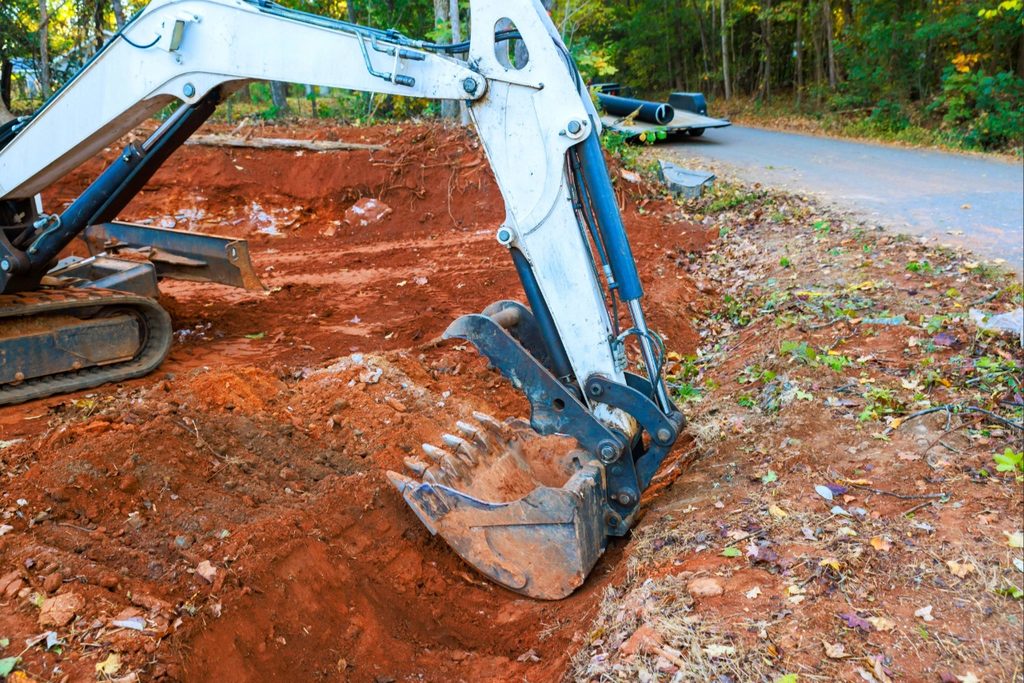
Michel’s Landscaping also offers skid steer services, including excavation, grading, and debris removal. Which services belong in the estimate depends on the site and the agreed project scope.
What marks the end of this phase?
Ask what condition the property will be left in and what work remains for others. Clearing completion, grading completion, and readiness for the next construction step should not be treated as interchangeable milestones.
Avoid the “clear it now, figure it out later” approach
Clearing without a defined end use can leave important decisions unresolved. Before work starts, agree on the removal area, retained vegetation, material handling, and the relationship between clearing and subsequent grading.
The same applies to scheduling. Discuss the intended sequence with the site-work provider and builder so each understands the expected handoff. A coordinated scope is more useful than assuming one service includes everything needed before construction.
Michel’s Landscaping provides clearing, grading, tree work, and related site preparation services for residential and commercial properties in North Port and surrounding Southwest Florida communities. The appropriate combination should follow the property’s needs and the plans for its use.
| Consideration | Lot Clearing | House Pad Grading |
|---|---|---|
| Primary purpose | Remove designated vegetation and obstacles | Prepare the soil for the planned home area |
| Typical work | Brush clearing, tree removal, debris handling | Soil shaping, grading, compaction |
| Work area | Agreed clearing boundaries | Designated house pad area |
| Main concern | What must be removed or retained | How the ground must be prepared |
| Drainage | May expose existing drainage conditions | Must account for applicable grading and drainage requirements |
| Completion | Agreed clearing work is finished | Agreed grading scope is completed |
| Construction readiness | Does not establish pad readiness | Does not independently guarantee construction approval |
Frequently asked questions
-
Does lot clearing include house pad grading?
Do not assume so. Clearing and pad grading address different work. Ask for an estimate that explicitly identifies both if your project needs them.
-
Does an already-cleared lot still need grading?
It may. The absence of vegetation does not establish that the soil has been shaped and prepared for the proposed home. Site evaluation and the project plans should guide that decision.
-
Do I need to clear the entire property to build?
Not necessarily. The clearing area depends on the project’s layout and requirements. Selective clearing is an option Michel’s Landscaping offers, but the retained and removed areas should be agreed upon before work begins.
-
Does house pad grading guarantee construction approval?
No such guarantee should be assumed. Grading is part of site preparation, and the project must still address its applicable plans, requirements, and approvals.
Plan Your Lot Clearing and House Pad Grading in North Port
Understanding lot clearing vs house pad grading in North Port can help property owners make informed decisions before starting construction. Clearing removes vegetation and obstacles from designated areas, while grading prepares the ground for the planned home.
Depending on the property’s condition and construction requirements, both services may be necessary. Defining the work area, reviewing building plans, discussing drainage considerations, and clarifying the responsibilities of each contractor can help prevent misunderstandings during site preparation.
Michel’s Landscaping provides lot clearing, forest clearing, house pad grading, skid steer work, and related site preparation services for residential and commercial properties in North Port and surrounding Southwest Florida communities.
Get a Quote to discuss your property’s clearing and grading needs and determine which services should be included in your project.